
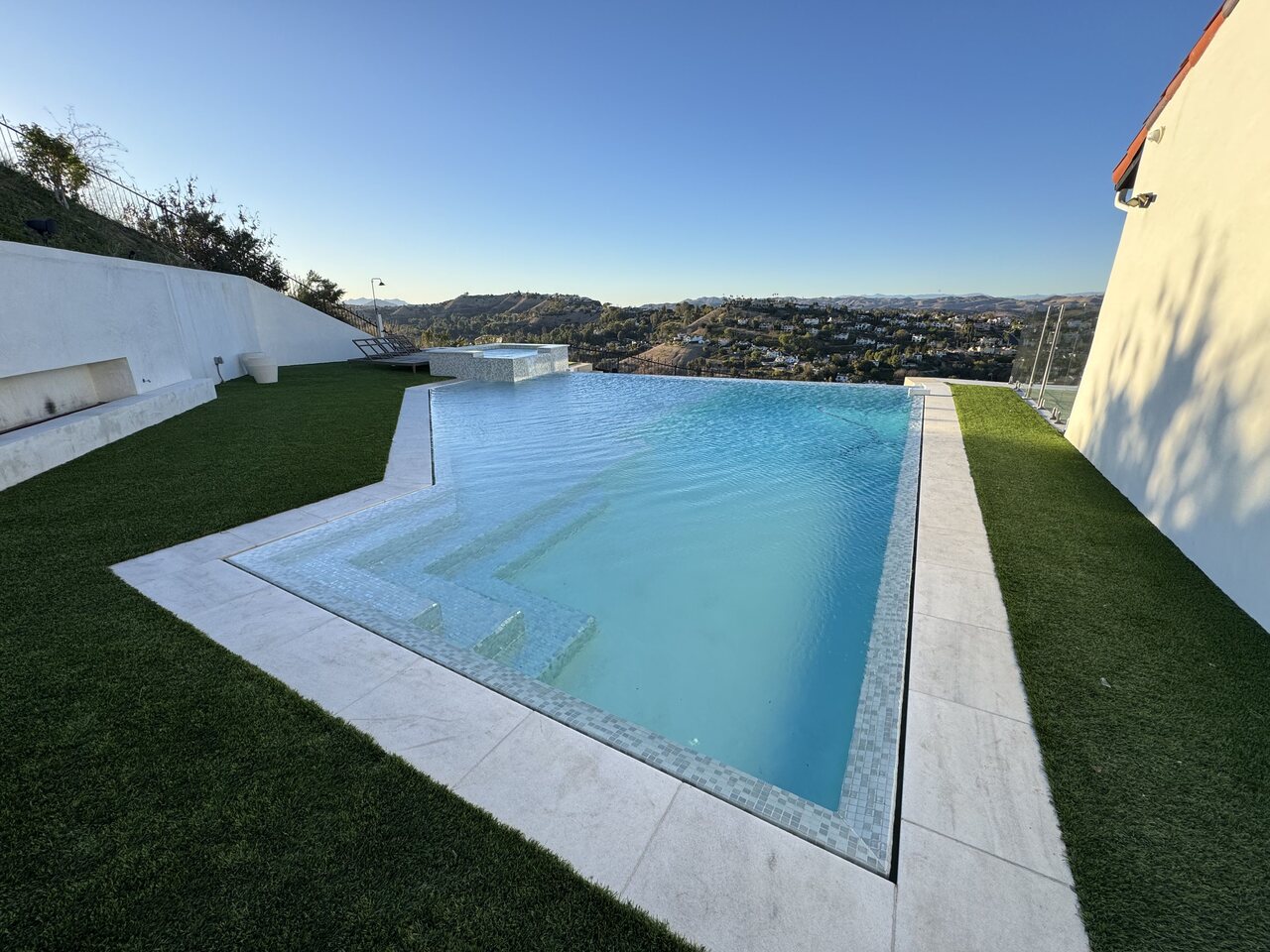
A swimming pool can be one of the most attractive features of a Beverly Hills home. However, even a beautifully designed pool can begin to show its age after years of exposure to sunlight, pool chemicals, changing temperatures, and regular use. Over time, the surface may become rough, faded, stained, or cracked. Consequently, homeowners may need professional pool resurfacing to restore the pool’s appearance, improve comfort, and protect their investment.
If you are searching for the best pool resurfacing services near Beverly Hills, CA, it is important to understand what the process involves and how to choose the right contractor. After all, pool resurfacing is more than applying a new finish. Instead, it requires careful surface preparation, an appropriate material selection, attention to existing damage, and proper finishing techniques.
Exodus Remodeling offers pool construction and remodeling services for homeowners looking to improve their outdoor living spaces. Furthermore, the company provides services related to swimming pool construction, residential pools, water features, landscaping, pavers, and pool spas. Therefore, homeowners can explore a broader pool improvement plan when resurfacing is part of a larger outdoor renovation.
Whether your pool needs a refreshed finish or a more comprehensive transformation, the right approach can help create a cleaner, more inviting backyard environment.
Why Pool Resurfacing Matters for Beverly Hills Homeowners
Beverly Hills homes often feature outdoor spaces designed for relaxation, entertaining, and enjoying the California lifestyle. As a result, a swimming pool can contribute significantly to the overall appearance and usability of a property. Nevertheless, pool surfaces naturally experience wear, particularly when maintenance issues or environmental exposure affect the finish.
For example, prolonged sun exposure can contribute to fading, while improperly balanced water chemistry may damage certain pool finishes. Similarly, regular use can gradually wear down the surface, making it less attractive or comfortable.
Fortunately, resurfacing can address many surface-related problems when the underlying pool structure remains suitable for repair. In addition, a new finish can refresh the pool’s color and texture, helping the entire outdoor area feel more modern.
However, resurfacing does not automatically solve every pool problem. Structural movement, persistent leaks, damaged plumbing, or serious cracks may require additional investigation before a new finish is installed. Therefore, a professional assessment is essential before deciding on the best solution.
What Are Pool Resurfacing Services?
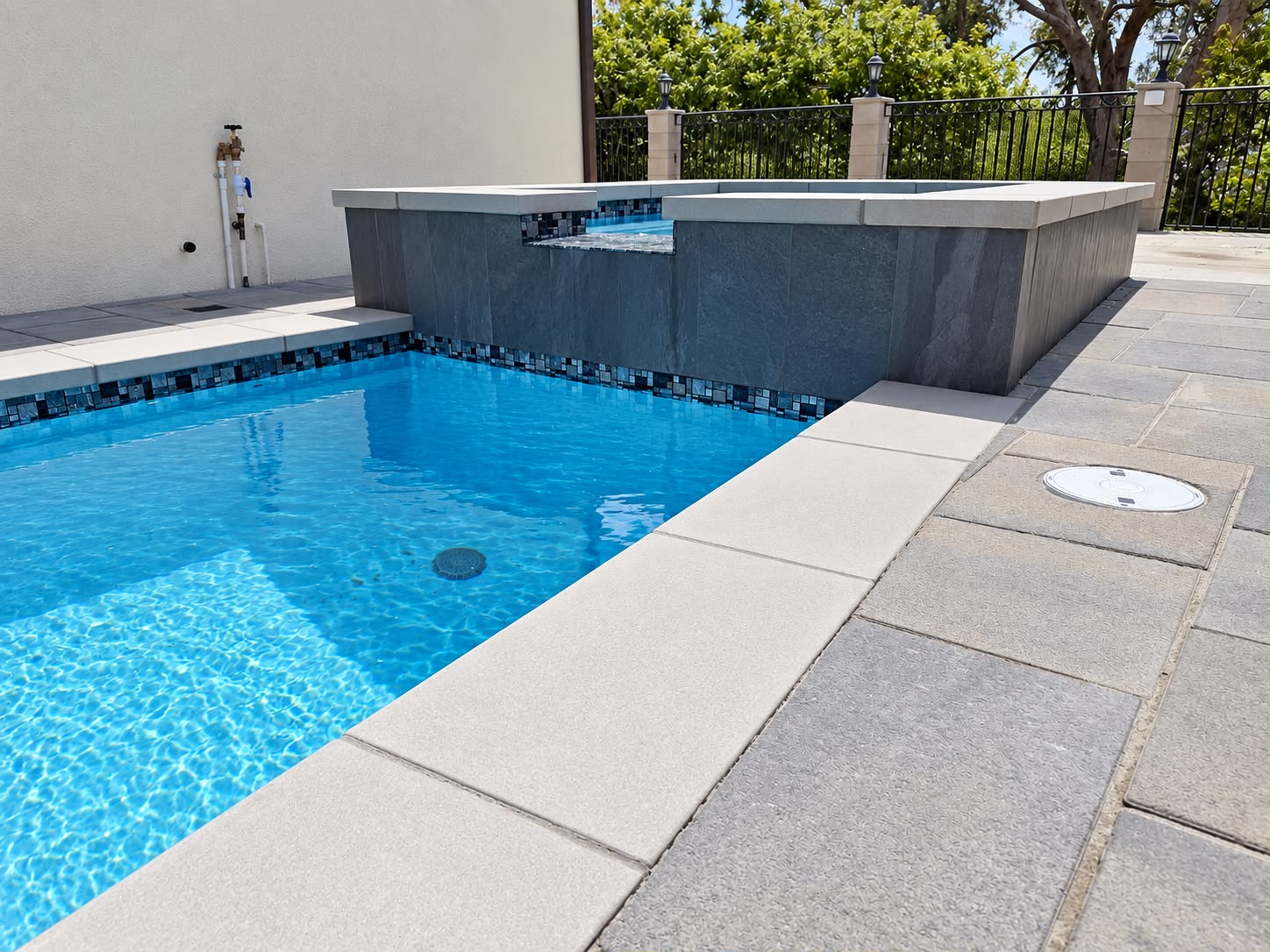
Pool resurfacing involves removing or preparing the existing interior finish and installing a new surface material suitable for the pool. The exact process depends on the pool’s construction, current finish, existing damage, and the material selected for the renovation.
For instance, a concrete or gunite pool may be resurfaced with plaster, exposed aggregate, or another compatible finish. Meanwhile, fiberglass and vinyl-lined pools have different requirements and may need specialized repair, refinishing, or liner replacement rather than conventional plaster resurfacing.
A typical resurfacing project may include:
- Inspecting the existing pool surface for wear, cracks, stains, and deterioration.
- Evaluating whether visible damage indicates a deeper structural or plumbing concern.
- Removing loose or damaged material where necessary.
- Preparing the existing surface for the selected finish.
- Applying the appropriate resurfacing material according to its installation requirements.
- Allowing the finish to cure as directed.
- Refilling the pool and following the required water chemistry and startup procedures.
Moreover, each stage affects the final result. If the surface is not prepared properly, even an attractive finishing material may not perform as intended. Consequently, homeowners should focus on the contractor’s preparation process and quality standards, not simply the appearance of the finished pool.
Signs Your Swimming Pool May Need Resurfacing
Recognizing early signs of surface deterioration can help you plan repairs before the pool becomes more difficult or expensive to restore.
1. Rough or uncomfortable surfaces
If the pool floor or walls feel increasingly rough, the existing finish may be wearing away. In some cases, deterioration can make swimming uncomfortable or create areas that need prompt attention.
Therefore, have the surface assessed instead of relying on cosmetic cleaning alone.
2. Persistent stains and discoloration
Pool stains may result from metals, mineral deposits, organic materials, or water chemistry issues. Although some stains respond to professional cleaning, others may remain because the finish itself has deteriorated.
Consequently, the cause should be identified before choosing between cleaning, targeted repair, and resurfacing.
3. Peeling, flaking, or delamination
When the existing finish begins separating or shedding material, it may indicate that the surface has reached the end of its useful life or that an installation-related issue exists.
However, the cause can vary. Therefore, a qualified pool professional should determine whether localized repairs are appropriate or a more extensive resurfacing project is necessary.
4. Visible cracks or damaged areas
Small surface defects do not always indicate major structural damage. Nevertheless, widening cracks, recurring repairs, or cracks associated with water loss deserve careful investigation.
Before installing a new finish, confirm whether the underlying structure needs repair.
5. An outdated pool appearance
Sometimes, the surface remains functional but no longer matches the home’s outdoor design. In that situation, resurfacing may provide an opportunity to update the pool’s color, texture, and overall appearance.
Additionally, coordinating the new finish with surrounding pavers, landscaping, and water features can create a more unified backyard.
Comparing Popular Pool Resurfacing Materials
Choosing the right finish is an important part of planning your pool renovation. However, no single material is ideal for every property. Instead, the best choice depends on your budget, desired appearance, pool construction, maintenance preferences, and the manufacturer’s requirements.
| Pool finish | Main advantages | Important considerations |
| Traditional plaster | Classic appearance and generally lower initial material cost | Requires appropriate water chemistry and routine maintenance |
| Exposed aggregate | Textured appearance with decorative stone or aggregate | Texture, cost, and maintenance vary by product |
| Polished or refined aggregate | More decorative finish with a smoother visual appearance | Installation quality and selected product influence performance |
| Tile accents or tile finishes | Wide range of colors and design possibilities | Often involves higher material and installation costs |
| Specialized refinishing systems | May suit certain pool types and existing surfaces | Compatibility and preparation requirements must be confirmed |
Importantly, these options are not interchangeable for every pool. For example, concrete pools can support certain plaster and aggregate finishes, while fiberglass pools require materials specifically suitable for their surface. Therefore, always confirm compatibility before making a final decision.
Frequently Asked Questions About Pool Resurfacing in Beverly Hills, CA
How do I find the best pool resurfacing services near Beverly Hills, CA?
Begin by looking for an experienced pool contractor who understands your pool type and can explain the resurfacing process clearly. In addition, ask for a written estimate, material details, preparation procedures, project timelines, and applicable warranty information. You should also review relevant project examples and confirm that the contractor has the appropriate qualifications for the proposed work.
How long does pool resurfacing take?
The timeline depends on the pool’s size, existing surface condition, selected material, weather, and curing requirements. Although some projects can be completed relatively quickly, others require additional repairs or preparation. Furthermore, curing and startup procedures can extend the time before the pool is ready for normal use.
Can pool resurfacing repair cracks?
Resurfacing can address certain surface imperfections after suitable preparation. However, it should not be used to conceal unresolved structural cracks or active leaks. Therefore, the contractor should identify the cause of the damage and complete necessary repairs before applying a new finish.
Is resurfacing better than replacing the entire pool?
If the pool structure is sound, resurfacing may be a practical way to refresh the interior without rebuilding the entire pool. On the other hand, serious structural deterioration, major layout problems, or extensive system failures may justify a broader renovation. A professional inspection can help determine the most appropriate option.
How should I maintain a newly resurfaced pool?
Follow the finish manufacturer’s instructions and the contractor’s startup recommendations. In particular, maintain appropriate water chemistry, clean the pool as directed, and monitor the surface during the initial curing period. Additionally, routine inspections and consistent maintenance can help protect the new finish.
Can resurfacing be combined with other pool improvements?
Yes. Depending on the project, resurfacing can be coordinated with pool remodeling, new water features, updated pavers, landscaping, or spa improvements. Consequently, homeowners can plan a more cohesive outdoor transformation rather than treating each upgrade as a separate project.
How to Prepare for a Successful Pool Resurfacing Project
Although the contractor handles much of the technical work, homeowners can take several steps to make the project more organized.
First, identify the problems you want to solve. For example, you may want to address a rough surface, persistent discoloration, visible deterioration, or an outdated finish. By establishing these priorities, you can communicate your expectations more clearly.
Next, consider the overall appearance of your outdoor space. Think about the pool’s color, surrounding hardscape, landscaping, patio furniture, and lighting. In addition, consider whether you plan to make other improvements within the next few years.
Then, arrange a professional inspection. During this stage, ask the contractor to evaluate the current surface and explain whether any additional repairs are necessary. If there are signs of leakage or structural movement, request that these concerns be investigated before resurfacing begins.
Finally, compare written proposals carefully. Rather than choosing solely on price, review the scope of work, material specifications, preparation methods, cleanup, payment schedule, and warranty terms. As a result, you can make a more informed decision and reduce the likelihood of unexpected costs.
Why Professional Planning Makes a Difference
Pool resurfacing involves specialized materials and installation procedures. Therefore, professional planning is essential to achieving a consistent finish and avoiding preventable problems.
For example, the existing surface must be evaluated to determine the appropriate preparation method. Likewise, the selected material must be compatible with the pool’s construction and intended use. Moreover, curing and water chemistry requirements must be followed carefully because improper startup can affect certain finishes.
A professional contractor should also communicate clearly about the project’s scope and schedule. If additional damage becomes visible after the existing finish is removed, the homeowner should understand what was discovered, why further work may be necessary, and how the proposed changes affect the estimate.
This approach encourages better decision-making throughout the renovation. In addition, clear communication helps homeowners understand what the finished project will include rather than relying on assumptions.
Upgrade Your Outdoor Space With Exodus Remodeling
Pool resurfacing can be an important part of improving a residential outdoor environment. However, some homeowners want more than a new pool finish. They may also want updated pool features, a more attractive patio, improved landscaping, or a spa that complements the existing design.
Exodus Remodeling offers pool-related construction and remodeling services that homeowners can explore when planning these improvements.
For example, homeowners considering a larger transformation can review the company’s pool builder and pool contractor services. Additionally, its swimming pool construction and remodeling services provide a relevant starting point for exploring broader pool renovation possibilities.
If you are planning a new residential pool or a major redesign, you can also learn more about residential pool construction. Meanwhile, homeowners who want to improve the surrounding outdoor space can explore water features, landscaping, and paver options.
Furthermore, a pool renovation may be an opportunity to consider additional relaxation features. For instance, the company’s pool and spa installation services may be relevant when planning a coordinated outdoor upgrade.
The appropriate services will depend on your existing pool, design goals, and project requirements. Therefore, discuss your priorities with the company and confirm the specific resurfacing materials, installation arrangements, and scope of work available for your property.
Pool Resurfacing Costs: What Should Beverly Hills Homeowners Expect?
The cost of pool resurfacing varies considerably from one property to another. Consequently, a reliable estimate should be based on an assessment of the actual pool rather than a general price alone.
Several factors can influence the total investment:
- Pool size: Larger surfaces typically require more materials and labor.
- Existing condition: Extensive deterioration or necessary repairs can increase preparation costs.
- Finish selection: Different materials have different prices, installation requirements, and maintenance considerations.
- Accessibility: Difficult access may affect equipment use, material delivery, and labor.
- Additional improvements: New tile, coping, water features, lighting, or surrounding pavers can expand the project’s scope.
- Startup and maintenance requirements: Some finishes require specific procedures after installation, which should be explained in the proposal.
For example, a pool with a sound structure and a relatively straightforward finish replacement may require less work than a pool with damaged areas, leaking components, or outdated surrounding features.
Therefore, request an itemized estimate that clearly distinguishes resurfacing from additional repairs and optional upgrades. This makes it easier to compare proposals fairly and prioritize the work that matters most.
Common Pool Resurfacing Mistakes to Avoid
Even when homeowners select an attractive material, poor planning can lead to disappointing results. Fortunately, several common mistakes can be avoided.
Choosing a contractor based only on the lowest bid
A low estimate may exclude essential preparation, repairs, or other necessary work. Instead, compare the complete scope of each proposal and ask questions about any major price differences.
Ignoring the cause of existing damage
A new surface cannot reliably solve every underlying problem. Therefore, investigate persistent leaks, structural cracks, and recurring deterioration before proceeding.
Selecting a finish without considering maintenance
Different materials have different cleaning and water chemistry requirements. Consequently, choose a finish that suits both your design preferences and your willingness to maintain it.
Overlooking water chemistry after installation
Even a properly installed surface needs appropriate care. Follow the contractor’s startup instructions and the material manufacturer’s recommendations to help protect the finish.
Failing to plan the surrounding area
A newly resurfaced pool may look out of place if the surrounding pavers, landscaping, or coping are deteriorated. When appropriate, consider coordinating these elements to create a more polished result.
Choose the Right Next Step for Your Beverly Hills Pool
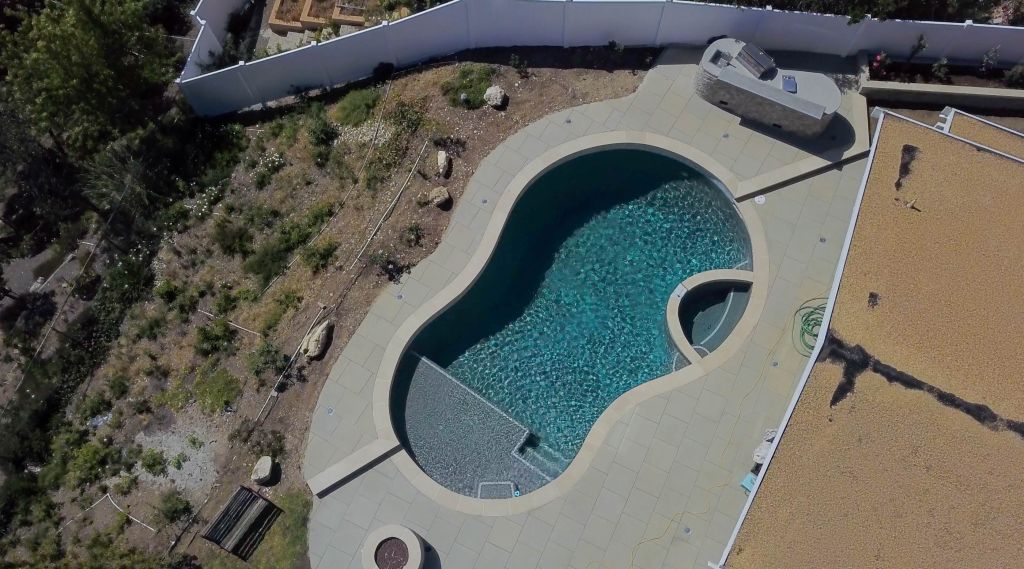
A worn or outdated swimming pool does not necessarily need to be completely rebuilt. In many cases, the right resurfacing solution can refresh the interior, improve the swimming experience, and support a more attractive backyard.
Nevertheless, the best result begins with a proper assessment. By understanding the existing surface, selecting a compatible finish, planning the necessary repairs, and following appropriate installation and maintenance procedures, homeowners can make more confident decisions about their investment.
Exodus Remodeling can be a starting point for discussing pool construction and remodeling possibilities that align with your broader outdoor goals. Whether you are considering a refreshed pool finish or exploring a more extensive transformation, begin by explaining your priorities and requesting details about the services available for your project.
Ready to explore pool resurfacing and remodeling options for your Beverly Hills home? Visit the Exodus Remodeling contact page to get in touch and discuss your project requirements.
With careful planning, suitable materials, and professional attention to detail, you can move toward a swimming pool that better reflects your home’s style and your family’s outdoor living needs.
