
Pool Lighting Replacement in Los Angeles: Signs You Need New Pool Lights

Pool lighting can make your swimming pool more enjoyable after sunset while also improving visibility around the water and adding another design element to your backyard. Like other pool components, however, lights do not last forever. Aging fixtures, damaged housings, electrical problems, water intrusion, or outdated lighting technology may eventually require professional attention. If your pool lights are flickering, unusually dim, no longer working, or showing visible signs of deterioration, it may be time to consider pool lighting replacement in Los Angeles. At Exodus Construction & Remodeling, we help Los Angeles homeowners improve aging pools through professional remodeling, lighting upgrades, equipment improvements, resurfacing, tile, coping, and complete backyard renovations. What Does Pool Lighting Do? Pool lighting serves both functional and decorative purposes. Underwater lights can improve visibility inside the swimming pool after dark, while strategically placed lighting can highlight steps, spas, water features, and other elements of the pool design. Modern pool lighting may also allow homeowners to change colors or create different lighting effects depending on the selected system. Because pool lights operate in and around water, installation and electrical components should be evaluated carefully whenever problems appear. Signs Your Pool Lights May Need Replacement A light that stops working once does not automatically mean that the entire fixture needs replacement. However, recurring or visible problems may indicate that the light, housing, wiring, or connected electrical system should be professionally inspected. Your Pool Light No Longer Turns On The most obvious warning sign is a light that no longer works. A failed light may be caused by several possible issues, including the lamp or LED unit, fixture, electrical connection, transformer, switch, or another component. Before replacing the complete fixture, the actual source of the problem should be identified. If the lighting system is older and several components are showing wear, replacement may be more practical than repeatedly repairing individual parts. Pool Lights Are Flickering Flickering lights should not be ignored. Intermittent operation may indicate a problem with the fixture, connection, wiring, power supply, or other electrical components. Because swimming pool lighting involves electricity around water, homeowners should avoid attempting repairs without the appropriate experience. A qualified professional can inspect the lighting system and determine whether the problem can be repaired or whether the fixture should be replaced. The Light Has Become Very Dim Pool lights may gradually appear less bright as they age. A noticeable reduction in brightness may make the pool less visually appealing at night and can make certain areas more difficult to see. Dimming can have different causes depending on the type of lighting system. If the fixture is outdated, homeowners may consider replacing it with a newer lighting option as part of a larger pool improvement project. Water Appears Inside the Light Fixture Visible moisture or water inside a pool light housing deserves professional attention. Underwater fixtures are designed to operate in a pool environment, but damage to seals, housings, or related components may allow water to enter areas where it should not be. If you notice visible water inside a fixture or other signs of electrical damage, stop using the affected light and have the system inspected by a qualified professional. Depending on the condition of the fixture and surrounding components, replacement may be recommended. Breaker or GFCI Protection Keeps Tripping Repeated electrical interruptions should be investigated rather than repeatedly resetting the system. A breaker or protective device may trip for several reasons, including problems involving wiring, fixtures, connections, or other electrical equipment. The pool light should be evaluated as part of the complete electrical system before deciding which component needs replacement. Cracked or Damaged Light Housing Visible physical damage is another reason to inspect a pool light. Cracks, deterioration, discoloration, loose components, or damage around the fixture can indicate that the assembly has aged or been affected by surrounding pool conditions. Because the fixture is installed within the pool structure, nearby finishes should also be inspected when necessary. Pool Light Repair vs. Replacement Not every lighting problem requires a completely new fixture. Some problems may involve individual components that can be repaired or replaced separately. Replacement may become more appropriate when: A professional inspection can help determine whether repair or replacement is the more appropriate option. Consider the Age of Your Pool Lighting Older swimming pools may have lighting systems installed many years ago. Even if the fixtures continue to operate, homeowners may eventually want to update them for appearance, functionality, or compatibility with a remodeled backyard. Older lighting can sometimes look noticeably dated after new tile, plaster, coping, or landscaping has been installed. Replacing the lights can help bring the pool design together and create a more consistent finished appearance. LED Pool Lighting Upgrades Many homeowners consider LED lighting when replacing older pool lights. Depending on the selected system, LED lighting may provide bright illumination, different color options, or programmable lighting effects. The appropriate fixture depends on the existing pool, electrical system, lighting niches, desired appearance, and project scope. Rather than choosing a replacement based only on appearance, compatibility with the existing pool should be confirmed before installation. Pool Lighting During a Pool Remodel A larger swimming pool renovation can be an ideal time to evaluate the existing lighting. If the pool is already being drained or surrounding finishes are being replaced, homeowners can inspect older fixtures before completing the renovation. A larger project may include: Exodus Construction & Remodeling provides professional swimming pool construction and remodeling services for homeowners who want to coordinate several pool improvements within one project. Completing related work together can help create a more cohesive result. Coordinate Pool Lighting With New Tile Pool lighting can significantly influence how the interior finish and waterline tile look after sunset. New tile may reflect light differently from an older surface, especially when glass, mosaic, or lighter materials are used. If you’re already considering pool tile replacement in Los Angeles, evaluating the lighting at the same time can help homeowners plan a more coordinated pool design. Instead of treating the
Pool Drain Replacement in Los Angeles: Signs Your Drain Needs Attention

Your swimming pool’s drainage system plays an important role in keeping water moving properly throughout the pool. When a drain becomes damaged, cracked, blocked, or outdated, it may affect circulation and can become part of a larger pool maintenance or remodeling concern. If you notice problems around your pool drain, ignoring them may allow the issue to become more difficult to address later. At Exodus Construction & Remodeling, we help Los Angeles homeowners evaluate aging swimming pools and complete professional pool repairs, upgrades, remodeling, resurfacing, and related improvements. Whether your pool needs a drain replacement or the drain issue is part of a larger pool renovation, our team can evaluate the existing condition and help determine an appropriate solution. What Does a Pool Drain Do? A swimming pool drain is part of the pool’s circulation system. Pool water moves through drains, skimmers, plumbing, pumps, filters, and other equipment before returning to the pool. Proper circulation helps keep the pool operating efficiently and supports normal filtration and water movement. Because pool drains remain underwater and are constantly exposed to pool chemicals, water pressure, aging materials, and normal wear, components around the drain may eventually require attention. Signs Your Pool Drain May Need Attention Some pool drain problems are easy to notice, while others may become apparent only when circulation or surrounding pool surfaces begin showing signs of deterioration. Here are several signs that your pool drain should be inspected. Cracked or Damaged Drain Cover One of the most visible warning signs is a cracked, loose, broken, or deteriorated drain cover. Because the drain cover is an important component of the pool system, visible damage should not be ignored. A qualified pool professional can inspect the drain area and determine whether the cover alone needs attention or whether additional drain components should also be evaluated. Poor Water Circulation If your pool water does not appear to circulate properly, there may be an issue somewhere within the circulation system. Possible causes can include the drain, plumbing, pump, filtration equipment, skimmers, or other components. Professional evaluation can help identify the actual source of the circulation problem before repairs are made. Damage Around the Drain Area Cracks, deterioration, loose material, or uneven surfaces around the drain may indicate that the surrounding pool finish needs attention. In some situations, drain repairs may be completed together with pool resurfacing or replastering. Addressing both areas during the same renovation can help create a cleaner and more consistent finished pool interior. Aging Drain Components Older swimming pools may still contain drain components that have experienced years of exposure to water, chemicals, and regular use. Even when there is no obvious major failure, aging components may be worth evaluating when planning a pool renovation. If your pool is already being drained for resurfacing or remodeling, it can be a convenient time to inspect the drain and other underwater components. Recurring Drain or Circulation Problems If drain-related problems keep returning after basic maintenance, there may be a larger issue that needs professional inspection. Repeated circulation problems may involve more than a simple blockage. The surrounding plumbing, drain assembly, pool surface, or equipment may need to be evaluated to determine the appropriate repair. Pool Drain Repair vs. Pool Drain Replacement Not every drain problem requires complete replacement. The appropriate solution depends on the condition of the existing drain, surrounding pool surface, plumbing, and other components. Minor issues may sometimes involve replacing or repairing individual components. More extensive deterioration may require additional work around the drain area. For older pools undergoing renovation, drain work may also be incorporated into a broader pool remodeling project in Los Angeles. A professional inspection can help determine the appropriate scope before construction begins. Consider the Drain During Pool Resurfacing Pool resurfacing is one of the best times to inspect components located inside the swimming pool. During resurfacing, the pool is already drained and the existing interior finish is being evaluated and prepared for renovation. This creates an opportunity to inspect areas such as: If your pool drain is aging or damaged, addressing it during resurfacing may help avoid disturbing a newly finished pool surface later. What Happens During a Pool Drain Replacement Project? Every swimming pool is different, so the exact process depends on the existing pool, drain configuration, plumbing, and surrounding surface. A typical project may begin with evaluating the existing pool and identifying the condition of the drain and nearby components. Depending on the project, work may involve draining the pool, accessing the drain area, removing deteriorated components, completing necessary repairs, installing replacement components, repairing the surrounding pool surface, and preparing the pool for normal operation again. Before work begins, the existing condition should be evaluated so homeowners understand whether the project involves only the drain or additional pool repairs. Should You Upgrade Other Pool Features at the Same Time? If an older swimming pool already needs drain work, it may be worth considering whether other areas also need improvement. Many Los Angeles homeowners combine necessary repairs with cosmetic or functional upgrades. A larger pool renovation may include: Instead of treating each problem as a separate future project, homeowners can evaluate how multiple improvements may work together as part of one coordinated renovation. Complete Pool Remodeling in Los Angeles Sometimes a damaged drain is only one sign that an older swimming pool needs attention. Worn plaster, outdated tile, cracked decking, aging equipment, faded finishes, or an outdated backyard layout may all become more noticeable over time. Exodus Construction & Remodeling provides professional swimming pool construction and remodeling services for homeowners throughout Los Angeles and Southern California. Our team can help with projects ranging from targeted pool improvements to complete pool and backyard transformations. Why Professional Pool Evaluation Matters Pool drain work involves more than simply replacing a visible component. The surrounding pool structure, finish, plumbing, circulation system, and existing condition should all be considered before determining the proper repair. Professional evaluation can help identify whether the problem is isolated or connected to additional areas
Pool Deck Repair in Los Angeles: Signs Your Pool Deck Needs Attention

Your pool deck is more than just the surface surrounding your swimming pool. It is where people walk, relax, place outdoor furniture, and spend time with family and friends. Because the deck is constantly exposed to water, sunlight, pool chemicals, weather, and regular foot traffic, signs of wear can gradually develop over time. Cracks, uneven areas, chipped surfaces, stains, or drainage problems may be signs that your pool deck needs professional attention. At Exodus Construction & Remodeling, we help Los Angeles homeowners repair and improve aging pool areas through professional pool deck repair, resurfacing, hardscaping, coping, tile, and complete backyard renovation services. Whether your deck needs targeted repairs or you are considering a larger pool renovation, evaluating the problem early can help you understand the right approach for your property. What Is Pool Deck Repair? Pool deck repair involves addressing damaged or deteriorated areas around an existing swimming pool. The type of repair depends on the material, age, condition, and cause of the damage. Some projects may involve repairing cracks or damaged sections, while others may require resurfacing or replacing portions of the existing deck. If the underlying deck remains in suitable condition but the surface has become worn, pool deck resurfacing in Los Angeles may also be an option. A professional evaluation can help determine whether repair, resurfacing, or more extensive replacement should be considered. Signs Your Los Angeles Pool Deck Needs Attention Not every small mark or crack means that your entire pool deck needs to be replaced. However, certain conditions should be inspected before they become more extensive. Cracks in the Pool Deck Cracking is one of the most common signs of pool deck deterioration. Small surface cracks may develop as materials age and respond to environmental conditions. Larger cracks, spreading cracks, or cracks that repeatedly return may indicate that something more than the surface needs attention. The location and pattern of cracking can help determine the appropriate repair. Rather than simply covering visible damage, the surrounding condition should be evaluated before repairs are made. Uneven or Raised Deck Sections A pool deck should provide a relatively consistent walking surface. If sections begin to sink, lift, or become uneven, the problem should be inspected. Movement beneath the deck, soil conditions, aging construction, tree roots, or drainage issues may contribute to changes in the surface. Uneven areas can also make transitions around the pool less comfortable and affect the overall appearance of the backyard. Chipping, Flaking, or Surface Deterioration Constant exposure to sunlight, water, weather, and pool activity can gradually wear down a deck surface. You may begin to notice areas that are chipped, flaking, rough, or deteriorating. Surface deterioration is especially noticeable around heavily used areas such as steps, pathways, seating areas, and the edge of the swimming pool. If the underlying deck is still in good condition, resurfacing may sometimes provide a practical way to refresh its appearance. Stains and Discoloration Pool decks are exposed to water, landscaping debris, dirt, outdoor furniture, pool chemicals, and Southern California sunlight. Over time, the surface may become stained or unevenly discolored. Some discoloration may be primarily cosmetic. However, stains combined with cracks, deterioration, or recurring moisture should be evaluated more carefully. When an older deck has become heavily worn and discolored, updating the surface can dramatically change the appearance of the entire pool area. Water Collecting on the Pool Deck Water repeatedly collecting in the same part of the deck may indicate that the surface is no longer directing water properly. Low areas, uneven decking, or inadequate drainage can contribute to standing water around the swimming pool. The deck should not be considered separately from the rest of the backyard drainage system. During a repair or renovation, it can be helpful to evaluate where water is coming from, where it collects, and how it moves away from the pool and surrounding structures. Gaps Between the Deck and Pool Coping The transition between the pool deck and coping should also be inspected when signs of movement appear. Visible separation, loose materials, deteriorated joints, or damaged coping may indicate that more than one area requires attention. Pool coping forms the finished transition between the swimming pool and surrounding deck. If this part of your pool is also showing deterioration, our guide to pool coping replacement in Los Angeles explains common warning signs and replacement considerations. An Outdated Pool Deck Your pool deck does not necessarily need to be badly damaged before you consider improving it. Sometimes an older material, color, texture, or layout simply no longer works with the rest of the home. An outdated deck surrounding a remodeled pool can make the renovation feel incomplete. Updating the deck can help create a stronger visual connection between the swimming pool, patio, landscaping, outdoor furniture, and surrounding architecture. Pool Deck Repair vs. Pool Deck Resurfacing Repair and resurfacing are related, but they are not exactly the same. Pool deck repair generally focuses on specific damaged areas. Resurfacing focuses more broadly on renewing the existing surface. If a deck has isolated cracks or damaged sections, targeted repair may be appropriate. When the underlying deck remains usable but the surface has widespread fading, minor cracking, stains, or an outdated appearance, resurfacing may provide another option. The existing condition should be evaluated before deciding between the two. Homeowners considering resurfacing can learn more about available approaches in our detailed guide to pool deck resurfacing in Los Angeles. When Does a Pool Deck Need More Extensive Work? Sometimes visible surface damage is only part of the problem. Extensive cracking, major settlement, widespread movement, severely deteriorated materials, or substantial drainage issues may require a larger scope of work. In these situations, repeatedly repairing individual areas may not create the desired long-term appearance. A larger renovation can also give homeowners an opportunity to reconsider the deck layout and how it connects to the rest of the backyard. Instead of trying to preserve an outdoor design that no longer works well, the project can be planned around how
Pool Skimmer Replacement in Los Angeles: Signs You Need a New Skimmer

Your pool skimmer helps remove leaves, insects, oils, and other floating debris before they settle to the bottom of your swimming pool. It also plays an important role in moving water into the pool’s circulation and filtration system. When a skimmer becomes cracked, damaged, clogged, or worn out, you may notice poor surface circulation, recurring debris, water loss, or problems around the skimmer opening. For homeowners with older swimming pools, these issues may be signs that the skimmer needs professional attention or replacement. At Exodus Construction & Remodeling, we help Los Angeles homeowners improve aging swimming pools through professional repairs, remodeling, equipment upgrades, resurfacing, and complete pool renovations. What Does a Pool Skimmer Do? A pool skimmer is installed near the waterline and draws surface water into the pool circulation system. As water enters the skimmer, the basket collects larger debris such as leaves, insects, and other material before the water continues toward the pump and filter. When the system is operating properly, the skimmer helps keep the surface cleaner while supporting consistent water circulation. Because the skimmer is connected to pool plumbing and built into the pool wall, damage may involve more than the visible basket or cover. Signs Your Pool Skimmer May Need Replacement Not every skimmer problem means the entire unit needs to be replaced. However, several warning signs may indicate that the skimmer or surrounding components should be professionally inspected. Cracks in the Skimmer Visible cracks in the skimmer body are one of the clearest reasons to have the area evaluated. Over time, aging materials, movement, weather conditions, or deterioration around the pool structure can contribute to cracking. A damaged skimmer may eventually allow water to escape or interfere with normal circulation. Small cracks may sometimes be repairable, while more extensive deterioration may make replacement a better option. Pool Water Level Keeps Dropping Unexpected water loss can have many possible causes. However, if the water level repeatedly drops around the height of the skimmer opening, the skimmer area may need closer inspection. Cracks in the skimmer body, deteriorated connections, or damage around the opening can sometimes contribute to water loss. Because leaks may also originate elsewhere in the pool, professional evaluation is important before deciding what needs to be repaired. Weak or Inconsistent Skimmer Suction A properly operating skimmer should help pull floating debris toward the skimmer opening. If suction seems unusually weak, the surface of your pool may not clean as effectively. Possible causes can include: The skimmer should be evaluated along with the rest of the circulation system before replacement is recommended. Leaves and Debris Stay on the Water Surface If leaves, insects, or other floating material remain on the pool surface even while the circulation system is operating, the skimmer may not be working effectively. This does not automatically mean that the skimmer needs replacement. The issue could also involve water flow, the pool pump, plumbing, or return circulation. However, recurring debris problems are a good reason to inspect the skimmer and surrounding system. Damage Around the Skimmer Opening Sometimes the problem appears around the skimmer rather than inside it. Homeowners may notice: Because the skimmer passes through the pool wall, surrounding deterioration should not be ignored. If your waterline materials are also showing wear, it may be worth evaluating whether pool tile replacement in Los Angeles should be coordinated with the skimmer work. Broken Skimmer Basket, Lid, or Weir Door Not every damaged skimmer component requires complete skimmer replacement. The basket, lid, and weir door are commonly replaceable parts. If one of these components is cracked, missing, or worn, replacing the individual part may restore normal operation. Complete skimmer replacement becomes more relevant when the permanent skimmer body, plumbing connection, or surrounding structure is damaged. Air Entering the Pool Circulation System Air bubbles or inconsistent circulation may sometimes indicate a problem on the suction side of the pool system. The skimmer is one area that may need to be checked. However, air entering the system can also be caused by water-level problems, plumbing connections, pump components, or other conditions. Professional inspection can help identify the source before unnecessary components are replaced. Pool Skimmer Repair vs. Replacement Whether a skimmer should be repaired or replaced depends on the location and severity of the damage. Minor problems involving removable components may only require simple replacement parts. Complete replacement may be considered when there is: The condition of the pool wall, plumbing, tile, coping, and surrounding deck may also influence the scope of work. How the Skimmer Works With Your Pool Equipment A pool skimmer does not operate by itself. It works together with the plumbing, pump, filter, drains, and return lines to circulate water throughout the swimming pool. The pump creates the flow that draws water through the skimmer and other suction points. Water then travels through the filtration system before returning to the swimming pool. Because these components work together, poor skimmer performance may sometimes be caused by another part of the system. Homeowners planning more extensive upgrades can learn more about Exodus’s swimming pool construction and remodeling services. Pool Skimmer Problems and Plumbing The visible portion of the skimmer is only part of the system. Behind and below the skimmer are plumbing connections that carry water toward the pool equipment. Older plumbing, damaged fittings, movement, or deterioration can sometimes contribute to problems that initially appear to be skimmer-related. During skimmer replacement, these surrounding connections should be evaluated so that related issues can be addressed when necessary. This is especially important for older pools where several components may have been installed at the same time and have experienced years of regular use. Consider Skimmer Replacement During Pool Remodeling If your swimming pool is already being renovated, it can be a convenient time to inspect an older skimmer. A larger pool remodeling project may involve: Addressing these components as part of a coordinated renovation can reduce the need to disturb newly completed finishes later. For homeowners planning a broader redesign, Exodus also provides
Pool Plumbing Replacement in Los Angeles: Signs Your Pipes Need Attention

Your swimming pool depends on a network of plumbing lines to move water between the pool, skimmers, drains, pump, filter, heater, and return system. When those pipes are working properly, most homeowners rarely think about them. But aging, leaking, cracked, or restricted plumbing can affect circulation, water levels, equipment performance, and the overall operation of the pool. For homeowners with older swimming pools, recurring circulation or water-loss problems may be signs that the plumbing system needs professional attention. At Exodus Construction & Remodeling, we help Los Angeles homeowners evaluate aging swimming pools and complete professional pool repairs, plumbing improvements, equipment upgrades, resurfacing, and complete pool remodeling projects. What Does Pool Plumbing Do? Pool plumbing connects the different parts of your swimming pool circulation system. Water is drawn from the pool through components such as the skimmer and drain. It then travels through plumbing lines toward the pump and filtration system before being returned to the swimming pool. Depending on the pool, the plumbing system may also connect to: Because many plumbing lines are underground or hidden beneath decking and landscaping, problems may not always be immediately visible. Signs Your Pool Pipes May Need Attention Some plumbing problems appear suddenly, while others develop gradually. The following warning signs may indicate that your pool plumbing should be professionally inspected. Your Pool Is Losing Water Unexpected water loss is one of the most common reasons homeowners begin investigating their swimming pool plumbing. Pools naturally lose some water through evaporation and normal use. However, if you need to add significantly more water than usual or the water level continues dropping without an obvious explanation, a leak may be present. Pool water loss can come from several areas, including: The source should be identified before deciding whether plumbing replacement is necessary. Weak Water Flow Reduced circulation can sometimes indicate a plumbing restriction or damaged line. You may notice that return jets do not appear as strong as they once were or that water movement throughout the pool seems weaker. Several issues can cause low water flow, including clogged plumbing, damaged pipes, air entering the system, pump problems, dirty filtration equipment, blocked skimmers, or valve problems. Because these symptoms can come from different parts of the system, the plumbing should be evaluated together with the pool equipment. Air Bubbles Coming From the Return Jets Recurring air entering the circulation system may be a sign that something on the suction side needs attention. Possible causes can include plumbing connections, fittings, skimmer conditions, water-level problems, or pump-related issues. If air is repeatedly entering the system, professional inspection can help determine where it is coming from. Cracked or Damaged Visible Pipes Some pool plumbing is visible around the equipment area. If you notice cracked PVC, deteriorated fittings, leaking joints, or damaged connections, these areas should be inspected. Visible deterioration may sometimes be repaired by replacing individual sections. However, if the plumbing is old and similar problems are occurring in multiple locations, homeowners may need to consider whether a more extensive replacement is appropriate. Wet Areas Around Pool Equipment Water around the pool equipment area does not always mean an underground plumbing line has failed. Leaks may also come from pumps, filters, valves, heaters, fittings, or connections. Recurring wet areas should still be investigated so the source can be identified before the problem becomes more extensive. Unexplained Wet Spots Around the Pool Wet soil, unusually damp landscaping, or recurring moisture around areas where plumbing lines run may deserve further investigation. Because pool pipes can travel below decking and landscaping, some leaks may not become obvious until water begins affecting surrounding areas. If accessing underground plumbing requires disturbing existing decking, homeowners may also want to understand when pool deck repair in Los Angeles may be necessary after the plumbing work is completed. Pool Plumbing and Your Skimmer Your skimmer is directly connected to the plumbing system. Water enters through the skimmer and travels through suction plumbing toward the pool pump. If there is weak suction, recurring air in the system, leaks around the skimmer, or damage to its plumbing connection, both the skimmer and connected pipework may need to be inspected. Homeowners experiencing problems around this area can also review our guide to pool skimmer replacement in Los Angeles for common signs that the skimmer itself may need attention. Pool Plumbing and the Main Drain Pool drains are another important part of the circulation system. The drain, skimmer, plumbing, pump, filter, and return lines all work together to move water throughout the swimming pool. If circulation problems appear to involve the lower portion of the pool or drain area, the plumbing should not be evaluated in isolation. Damage around the drain, deteriorated components, or connected plumbing may also require inspection. Our guide to pool drain replacement in Los Angeles explains several warning signs homeowners may notice around an aging or damaged pool drain. Plumbing Problems Can Affect Pool Equipment The pump and filter depend on consistent water movement. Restrictions, leaks, or air entering the plumbing system may affect how water travels through that equipment. For example, poor flow may cause homeowners to assume that the pump itself has failed even when plumbing problems are contributing to the symptoms. Likewise, installing new equipment without evaluating serious plumbing problems may not address the original circulation issue. That is why the plumbing, pump, filtration equipment, skimmers, drains, valves, and return lines should be considered as parts of one connected system. Pool Plumbing Repair vs. Replacement Not every plumbing problem requires replacing the entire pool plumbing system. A localized damaged fitting or accessible pipe section may sometimes be repaired independently. More extensive replacement may become appropriate when there are: The right approach depends on the location of the problem, accessibility of the damaged line, overall condition of the system, and scope of the project. Can Underground Pool Pipes Be Replaced? Many swimming pool plumbing lines are installed underground. Depending on the location of the damaged line, accessing it may require work around existing: The
Pool Heater Replacement in Los Angeles: Signs You Need a New Heater

A reliable pool heater can make your swimming pool more comfortable during cooler evenings and help you enjoy your outdoor space for more of the year. Like pumps, filters, plumbing, and other pool equipment, however, pool heaters can wear down over time. An aging heater may take longer to warm the water, struggle to maintain the desired temperature, develop leaks, make unusual noises, or require repeated repairs. These symptoms do not always mean that the heater needs immediate replacement. Problems with water flow, plumbing, filtration, controls, or other equipment can sometimes affect heater performance as well. At Exodus Construction & Remodeling, we help Los Angeles homeowners evaluate aging swimming pools and coordinate equipment upgrades with professional pool remodeling and renovation services. Whether your pool heater needs repair, replacement, or evaluation as part of a larger pool renovation, understanding the warning signs can help you determine when professional attention is needed. What Does a Pool Heater Do? A pool heater raises the temperature of the water as it moves through the swimming pool circulation system. Water is drawn from the pool through components such as the skimmer and drains. The pump moves the water through the filtration system and, depending on the equipment configuration, through the heater before the water returns to the swimming pool. This means your heater works together with several other pool components. Its performance may be influenced by: Before replacing a pool heater, it is important to determine whether the heating problem actually originates within the heater or another part of the circulation system. Signs Your Pool Heater May Need Attention Some pool heater problems can be corrected through maintenance or individual repairs. Other problems may indicate that the heater has deteriorated enough that replacement should be considered. Your Pool Is Not Getting Warm Enough One of the most obvious signs of a heater problem is water that never reaches the temperature you expect. The heater may appear to be operating, but the swimming pool remains cooler than it should. Possible causes can include: Because several components can affect water temperature, the entire system should be evaluated before replacing the heater. Heating Takes Much Longer Than Before Most homeowners become familiar with approximately how long their pool normally takes to warm. If the system suddenly takes significantly longer to reach the same temperature, its performance may have changed. An aging heater may be responsible, but low water flow, plumbing problems, or filtration issues can sometimes create similar symptoms. Professional evaluation can help determine what is actually causing the slower heating. The Heater Keeps Turning On and Off A heater that repeatedly starts and stops without completing a normal heating cycle should be inspected. This behavior may be related to the heater itself, but it can also involve water flow, controls, sensors, or other pool equipment. Possible causes may include: If your filtration system is also showing signs of poor performance, our guide to pool filter replacement in Los Angeles explains when an aging pool filter may need professional attention. You Hear Unusual Noises Pool equipment naturally makes some sound while operating. However, new rattling, banging, grinding, whistling, or other unusual sounds may indicate that something within the system needs attention. The cause can vary depending on the heater and equipment configuration. Rather than continuing to operate a heater that suddenly sounds different, have the system professionally evaluated. The issue may be repairable, or it may be another indication that the heater is deteriorating. The Pool Heater Is Leaking Water around the pool equipment area should always be investigated. A leak near the heater does not automatically mean that the heater itself is responsible. Water may also come from: Identifying the actual source of the water is important before deciding which component needs repair or replacement. If the issue appears to involve aging pipes or fittings, our guide to pool plumbing replacement in Los Angeles explains common warning signs that pool plumbing may need attention. Visible Rust, Corrosion, or Deterioration Pool equipment operates outdoors and is regularly exposed to moisture and changing weather conditions. Over time, homeowners may notice rust, corrosion, deteriorated fittings, damaged panels, or other visible signs of aging. Minor exterior wear alone does not necessarily mean that the heater must be replaced. However, significant deterioration combined with leaks, poor performance, frequent shutdowns, or repeated repairs may indicate that the heater deserves a more complete evaluation. Frequent Repairs Can Be a Warning Sign One repair does not mean that a heater needs replacement. But repeated repairs can change the situation. If the same heater regularly needs service or replacement components, homeowners may eventually want to compare the cost and reliability of continued repairs with installing a new system. Important factors include: The goal should not be to replace equipment unnecessarily. Instead, homeowners should determine whether continuing to repair the existing heater still makes practical sense. Pool Heater Repair vs. Replacement Whether your pool heater should be repaired or replaced depends on the nature of the problem and the overall condition of the unit. A relatively minor component failure in an otherwise dependable heater may be repairable. Replacement may deserve consideration when: A professional inspection can help determine whether the immediate problem can be repaired and whether doing so makes sense considering the condition of the entire heater. Water Flow Can Affect Heater Performance Your pool heater depends on proper water circulation. The pump moves water through the system, while the filter removes debris before the water continues through other equipment. If circulation is restricted, heater performance can be affected. Possible causes of poor water flow include: This is why a pool heater should often be evaluated together with the rest of the equipment system. Replacing the heater without addressing an existing circulation problem may not resolve the homeowner’s original complaint. Pool Heater Problems and Plumbing Your heater connects directly to the swimming pool plumbing system. Water must move into and out of the heater properly for the system to perform as intended. Damaged fittings, deteriorated
Pool Filter Replacement in Los Angeles: Signs You Need a New Filter

Your pool filter plays an important role in keeping swimming pool water clean and clear. As water moves through the circulation system, the filter helps capture dirt, debris, and other particles before the water returns to the pool. Over time, however, pool filters can become worn, damaged, difficult to clean, or less effective. When this happens, homeowners may notice cloudy water, poor circulation, unusually high filter pressure, leaks, or the need for increasingly frequent maintenance. These symptoms do not always mean that the entire filter needs replacement. Problems with the pump, plumbing, skimmer, valves, or circulation system can sometimes create similar warning signs. At Exodus Construction & Remodeling, we help Los Angeles homeowners evaluate aging swimming pools and coordinate equipment improvements with professional pool remodeling and renovation services. Whether your filter needs maintenance, repair, or complete replacement, understanding the warning signs can help you determine when professional attention is needed. What Does a Pool Filter Do? A swimming pool filter works together with the pump and plumbing system to remove unwanted particles from circulating water. The pump draws water from the pool through components such as the skimmer and drains. The water then moves through the filtration system before returning to the swimming pool. Depending on the pool, the system may use a cartridge, sand, or diatomaceous earth filtration setup. Regardless of filter type, proper filtration depends on consistent water flow. Problems with the pump, plumbing, valves, or skimmer can therefore affect how well the filter performs. Signs Your Pool Filter May Need Attention Some filtration problems can be solved through routine cleaning or maintenance. Others may indicate that the filter tank, internal components, or complete filtration system has deteriorated enough that replacement should be considered. Your Pool Water Remains Cloudy Cloudy water can develop for several reasons, including water chemistry, circulation problems, environmental debris, or filtration issues. However, if the water remains cloudy even when the pool is being maintained properly, the filter should be inspected. An aging or damaged filtration system may no longer capture particles as effectively as it once did. Before replacing the filter, the pool’s water chemistry, circulation, pump performance, and filtration system should all be evaluated. You Need to Clean the Filter More Often Pool filters require periodic cleaning. However, if your filter needs attention much more frequently than it used to, something may have changed. Possible reasons include: Frequent cleaning alone does not automatically mean replacement is necessary, but it can be a reason to evaluate the filter’s overall condition. Many pool filtration systems include a pressure gauge that helps homeowners and technicians understand how water is moving through the filter. Filter Pressure Is Consistently Too High Pressure may increase when the filter becomes dirty or restricted. Cleaning the filter may restore normal operation. Possible causes may include: However, if unusually high pressure repeatedly returns or continues after appropriate maintenance, the filter and circulation system should be inspected more closely. A professional can help determine whether the issue is inside the filter or somewhere else in the system. Filter Pressure Is Unusually Low Low pressure can also indicate that water is not moving through the system normally. The problem may not necessarily originate in the filter. Possible causes can include: Because the filter and pump depend on one another, both should often be evaluated when pressure or circulation changes significantly. If the pump is making unusual noises, losing prime, leaking, or providing weak circulation, our guide to pool pump replacement in Los Angeles can help homeowners understand when the pump itself may need attention. The Filter Is Leaking Water around the filter tank or equipment pad should be investigated. Leaks may develop around: A minor leak may sometimes involve an individual component that can be repaired. However, visible cracking, extensive deterioration, or recurring leaks may make filter replacement more appropriate. The source of the leak should be identified before replacing equipment. You Notice Cracks or Physical Damage Visible damage to the filter tank should not be ignored. Pool filtration systems operate under pressure, which makes the condition of the tank and related components important. If the filter body is cracked, significantly deteriorated, or otherwise damaged, professional evaluation is appropriate. Do not attempt to repair a damaged pressurized filter tank without the necessary training and experience. Pool Water Quickly Becomes Dirty Again A properly operating filtration system helps continuously remove particles as water circulates. If the pool repeatedly becomes cloudy or dirty soon after cleaning, the filtration system may deserve closer inspection. However, filter performance is only one possible cause. Problems with circulation, water chemistry, the pump, plumbing, or skimmer may also contribute. That is why pool water quality problems should be evaluated as part of the complete system rather than automatically blaming the filter. Pool Filter Repair vs. Replacement Not every filtration problem requires a new filter. Some issues may involve replaceable internal components, valves, gauges, cartridges, grids, seals, or other parts. Replacement may deserve consideration when: A professional evaluation can help determine whether repairing the existing filter remains practical. Your Pool Pump and Filter Work Together A filter cannot circulate water by itself. The pool pump creates the water movement that sends water through the filtration system. When the pump is not operating properly, the filter may also appear to perform poorly. Likewise, a severely restricted filter can make it more difficult for water to move through the circulation system. Symptoms such as weak returns, unusual pressure readings, poor skimmer performance, or reduced circulation should therefore be evaluated across both components. If the pump is also aging, review the signs associated with pool pump replacement in Los Angeles before assuming that the filter alone is causing the problem. Pool Plumbing Can Affect Filter Performance Water must travel through plumbing lines before and after reaching the filtration equipment. Leaks, restrictions, damaged fittings, deteriorated valves, or air entering the system may affect circulation and filter performance. A filtration problem can therefore sometimes be a plumbing problem in disguise. If you are experiencing recurring
Pool Pump Replacement in Los Angeles: Signs You Need a New Pump

Your pool pump is one of the most important parts of your swimming pool circulation system. It keeps water moving through the skimmer, plumbing, filter, heater, and return lines so the entire system can operate properly. When a pool pump begins to wear out, homeowners may notice weak circulation, unusual noises, leaks, difficulty maintaining water quality, or equipment that repeatedly shuts down. These symptoms do not always mean the pump needs immediate replacement. A clogged filter, blocked plumbing, damaged skimmer, valve problem, or other circulation issue can sometimes create similar symptoms. At Exodus Construction & Remodeling, we help Los Angeles homeowners evaluate aging swimming pools and coordinate pool equipment upgrades with professional remodeling and renovation services. Whether your pump needs repair, replacement, or inspection as part of a larger pool renovation, understanding the warning signs can help you determine when professional attention is needed. What Does a Pool Pump Do? The pool pump keeps water moving through the swimming pool circulation system. Water is drawn from the pool through components such as the skimmer and drains. It then travels through plumbing lines toward the pump. From there, water moves through the filter and may also pass through a heater or other equipment before returning to the swimming pool through the return lines. Because the pump creates this circulation, its performance can affect several parts of the pool system. A properly operating pump helps support: When circulation changes noticeably, the pump is one of several components that should be inspected. Signs Your Pool Pump May Need Attention Some pump problems may be corrected through maintenance or individual repairs. Other problems may indicate that the pump is aging, damaged, or becoming unreliable. Your Pool Has Weak Water Circulation Reduced water movement is one of the most noticeable signs that something within the circulation system needs attention. You may notice weaker flow from the return jets or less movement across the surface of the swimming pool. Weak circulation can be caused by: Because these problems can produce similar symptoms, the pump should be evaluated along with the rest of the circulation system before replacement is recommended. The Pump Is Making Unusual Noises A pool pump naturally produces some sound while operating. However, new grinding, rattling, screeching, humming, or other unusually loud noises may indicate that something has changed. Possible causes can involve internal pump components, the motor, bearings, debris, vibration, or other mechanical conditions. A sudden change in sound is a good reason to have the equipment inspected. If the pump is older and unusual noises are combined with leaks, weak circulation, or repeated repairs, replacement may deserve consideration. Professional inspection of an aging swimming pool pump in Los Angeles, California The Pool Pump Is Leaking Water around the pump or equipment pad should be investigated. A leak may develop around: The location of the water should be identified before deciding whether the pump itself needs replacement. Some leaks may involve repairable components, while extensive deterioration or repeated leaks may indicate that more significant work is needed. If nearby pipes or fittings are also deteriorating, our guide to pool plumbing replacement in Los Angeles explains several signs that the plumbing system may need professional attention. The Pump Frequently Loses Prime A pool pump generally needs to remain properly filled with water to circulate the pool effectively. If the pump repeatedly loses prime, homeowners may notice reduced circulation, air in the system, or difficulty getting the equipment to operate normally. Possible causes can include: Repeatedly losing prime does not automatically mean the pump needs replacement. The source of the air or water-flow problem should be identified first. Air Bubbles Appear in the Pool Recurring air bubbles coming from the return jets can indicate that air is entering the circulation system. The pump is one possible source, but the problem may also involve: Because the pump draws water through the suction side of the system, even a relatively small air leak can affect operation. If the problem appears concentrated around the skimmer, our guide to pool skimmer replacement in Los Angeles explains common signs that the skimmer or surrounding connections may need attention. The Pump Keeps Turning Off A pump that repeatedly shuts down should be inspected. Occasional programmed shutdowns are normal when controlled by a timer or automation system. However, unexpected shutdowns during normal operation may indicate a mechanical, electrical, control, overheating, or equipment problem. The cause should be professionally evaluated before the pump is continuously restarted. If the unit repeatedly stops operating and requires repairs, homeowners may eventually need to compare continued repair costs with replacement. The Pump Will Not Start A pump that does not start may have several possible causes. The problem may involve: A non-operating pump does not automatically mean the complete unit must be replaced. Professional evaluation can help determine whether an individual component can be repaired or whether the pump has reached the point where replacement is more appropriate. Your Pool Is Becoming Harder to Keep Clean A swimming pool with poor circulation may become more difficult to maintain. You may notice: However, water-quality problems can have many causes. The pump, filter, plumbing, water chemistry, and maintenance routine may all play a role. Before replacing the pump, the complete system should be evaluated to determine what is actually causing the problem. Pool Pump Repair vs. Replacement Not every pool pump problem requires complete replacement. Some issues may involve individual components that can be serviced or repaired. Replacement may deserve consideration when: The appropriate decision depends on the condition of the equipment and the cause of the current problem. A professional inspection can help determine whether repairing the existing pump remains practical. Your Pump and Filter Work Together The pump and filter are two different components, but they depend heavily on each other. The pump moves water through the system, while the filter removes dirt and particles from that circulating water. A dirty or severely restricted filter may reduce water flow and make it appear that the pump
Pool Equipment Replacement in Los Angeles: When and What to Upgrade
Your swimming pool’s appearance is only part of what makes it enjoyable and functional. Behind the scenes, the pump, filter, heater, plumbing, lighting, controls, and other equipment work together to circulate water and keep the pool operating properly. As these components age, homeowners may begin noticing weak circulation, cloudy water, leaks, unusual noises, heating problems, repeated equipment shutdowns, or increasingly frequent repairs. One equipment problem does not necessarily mean everything needs to be replaced. In many cases, an individual component can be repaired or upgraded while the rest of the system continues operating normally. However, when several pieces of aging equipment begin developing problems around the same time, evaluating the complete system can help homeowners decide what should be repaired, what should be replaced, and which upgrades can wait. At Exodus Construction & Remodeling, we help Los Angeles homeowners evaluate aging swimming pools and coordinate equipment replacement with professional pool remodeling and renovation projects. What Is Included in Pool Equipment? Pool equipment includes the mechanical, plumbing, electrical, and circulation components that help operate your swimming pool. Depending on the property, this may include: These components do not operate independently. The pump moves water through the plumbing. The filter removes particles from that water. The heater depends on proper water flow. Skimmers and drains feed water into the circulation system, while return lines send it back into the swimming pool. When one component develops a problem, the symptoms can sometimes appear elsewhere in the system. When Should Pool Equipment Be Replaced? There is no single replacement schedule that applies to every swimming pool. Equipment condition depends on factors such as installation quality, maintenance, usage, weather exposure, water conditions, previous repairs, and how well individual components work together. Instead of replacing equipment simply because it is older, homeowners should pay attention to performance and recurring problems. Repairs Are Becoming More Frequent Occasional maintenance and repairs are normal. However, if the same piece of equipment repeatedly breaks down, replacement may eventually become more practical than continuing to repair it. Frequent repairs may indicate: A professional evaluation can help compare the condition of the equipment with the cost and practicality of continued repairs. Pool Circulation Has Become Weak Poor water movement can indicate a problem somewhere within the circulation system. Homeowners may notice: The problem could involve the pump, plumbing, filter, valves, skimmer, or another circulation component. If pump performance appears to be the issue, our guide to pool pump replacement in Los Angeles explains additional signs that an aging pump may need attention. Equipment Is Leaking Water around the equipment pad should be investigated. Leaks can develop around: The presence of water does not automatically identify which component is responsible. Finding the source of the leak first can help determine whether an individual repair is enough or whether replacement is appropriate. Equipment Makes New or Unusual Noises Pumps, heaters, and other mechanical equipment naturally produce some noise. However, new grinding, rattling, banging, screeching, humming, or other unusual sounds may indicate that something needs attention. The exact cause depends on the equipment. A professional inspection can help determine whether the issue involves a replaceable component or more extensive deterioration. Professional inspection of aging swimming pool equipment at a Los Angeles home /image Start With the Pool Pump The pool pump is responsible for moving water through the circulation system. Without reliable flow, filtration, heating, skimming, and other pool functions may be affected. Signs that the pump may need attention include: Because similar symptoms can also come from plumbing or filtration problems, the pump should be evaluated together with the rest of the circulation system. Replacing a pump without correcting an existing plumbing restriction or severely clogged filter may not resolve the original problem. Evaluate the Pool Filter Your pool filter removes dirt and particles from circulating water. Depending on the pool, the system may use cartridge, sand, or diatomaceous earth filtration. Signs that a filter deserves attention can include: A filter that needs regular cleaning is not automatically failing. Maintenance is part of normal filter operation. However, if the system requires unusually frequent attention or remains ineffective after proper maintenance, professional evaluation may be appropriate. Our guide to pool filter replacement in Los Angeles covers common warning signs in more detail. Consider the Pool Heater A reliable heater can make a swimming pool or spa more comfortable during cooler periods. An aging heater may begin showing problems such as: However, heater problems can sometimes be caused by poor water flow. A dirty filter, weak pump, restricted plumbing, or incorrectly positioned valve can affect how water moves through the heater. Before replacing the heater, the circulation system should therefore be inspected. Homeowners experiencing heating problems can also review our guide to pool heater replacement in Los Angeles. Do Not Overlook Pool Plumbing Much of your pool plumbing is hidden underground or located behind equipment. This can make pipe problems less obvious than a leaking pump or damaged filter. Possible signs of plumbing trouble include: Plumbing should often be evaluated before major equipment replacement because poor water flow can make otherwise functional equipment appear to be failing. If deteriorated pipes may be contributing to the problem, our guide to pool plumbing replacement in Los Angeles explains additional signs homeowners can watch for. Inspect Pool Valves and Connections Valves control how water moves through different parts of the pool system. Depending on the property, they may control circulation between: A damaged or incorrectly operating valve can interfere with circulation even when the pump and filter are still functional. During an equipment upgrade, existing valves and plumbing connections should be inspected for leaks, deterioration, and proper operation. Replacing major equipment while leaving severely worn connections untouched can lead to additional repairs later. Pool Lighting May Also Need Updating Pool lighting does not directly affect circulation, but it is still an important part of the overall pool equipment system. Older pool lights may become: Visible moisture inside a fixture, repeated electrical interruptions, or damaged housings should receive professional
When Should You Remodel Your Swimming Pool?

A swimming pool can add beauty, comfort, and value to your Los Angeles home, but even a well-maintained pool eventually shows signs of age. If your pool looks outdated, has damaged surfaces, or needs frequent repairs, it may be time to consider a remodel. Signs Your Pool Needs Remodeling One of the clearest signs is visible surface damage. Cracks, stains, rough plaster, worn-out finishes, or loose tiles can make a pool look old and may lead to bigger problems. You may also want to remodel if your pool deck or coping is damaged. Cracked decking, deteriorating coping, or slippery surfaces can affect both appearance and safety. An outdated pool design is another reason to remodel. Older pools may have inefficient layouts, outdated materials, poor lighting, or features that no longer fit your backyard. When Is the Best Time to Remodel? For homeowners in Los Angeles, pool remodeling can be planned throughout much of the year. However, scheduling the project during a period when you use the pool less can minimize disruption. It is also smart to plan ahead if you are considering multiple upgrades, such as pool resurfacing, tile replacement, new coping, updated lighting, or energy-efficient equipment. Combining improvements into one remodeling project can create a more cohesive result. Upgrade Your Pool for Long-Term Enjoyment A pool remodel is not only about improving appearance. Updating the surface, safety features, equipment, and surrounding areas can make your pool easier to maintain and more enjoyable to use. If your swimming pool is showing signs of wear or feels outdated, a professional evaluation can help determine which improvements are worth making. A well-planned pool remodel can transform an aging backyard pool into a cleaner, safer, and more attractive outdoor space.
Pool Deck Resurfacing in Los Angeles: Cost, Materials & Signs You Need It

A worn or damaged pool deck can make your entire backyard look outdated and may also create safety concerns. Cracks, stains, fading, and rough surfaces are common signs that it may be time to consider pool deck resurfacing in Los Angeles. Pool deck resurfacing restores the existing surface without requiring a complete replacement. Depending on the condition of the deck, contractors may repair cracks, prepare the surface, and apply a new decorative or protective finish. Signs Your Pool Deck Needs Resurfacing Common warning signs include: Addressing these issues early can help prevent additional damage and improve both the appearance and usability of your outdoor space. Popular Pool Deck Resurfacing Materials Los Angeles homeowners have several options when updating a pool deck, including: The right material depends on your preferred design, existing deck condition, maintenance expectations, and budget. How Much Does Pool Deck Resurfacing Cost in Los Angeles? The cost of pool deck resurfacing in Los Angeles varies depending on the size of the deck, amount of preparation required, existing damage, and type of finish selected. A simple resurfacing project will generally cost less than replacing the entire pool deck, making it an attractive option for homeowners who want to refresh their backyard without a major reconstruction project. Resurfacing vs. Replacing a Pool Deck Resurfacing is often a good choice when the underlying concrete remains structurally sound but the surface looks worn or damaged. However, extensive cracking, major settlement, or serious structural problems may require partial or complete pool deck replacement. A professional inspection can help determine which option makes the most sense for your property. Upgrade Your Pool Deck With Exodus Construction & Remodeling A refreshed pool deck can dramatically improve the look and comfort of your backyard. Whether your deck needs crack repair, resurfacing, or a complete redesign, Exodus Construction & Remodeling can help create a cleaner, safer, and more modern outdoor space. Contact our team today to discuss your pool deck resurfacing or pool remodeling project in Los Angeles and request a consultation.
Pool Coping Replacement in Los Angeles: Cost, Materials & When to Replace It

A swimming pool can remain structurally sound while the area around its edge begins to show serious signs of wear. Cracked stones, loose coping, deteriorating grout, uneven edges, and faded materials can make an otherwise attractive pool look neglected. More importantly, damaged pool coping is not always just a cosmetic problem. Pool coping helps create the transition between the swimming pool shell and the surrounding deck. When it begins to deteriorate, water can enter areas where it should not, surrounding materials may loosen, and the pool edge can become uncomfortable or even unsafe. For homeowners considering pool coping replacement in Los Angeles, understanding when coping should be repaired, when it should be completely replaced, and which material is right for the property can make the remodeling process much easier. At Exodus Construction & Remodeling, we help homeowners transform aging swimming pools through professional renovation, resurfacing, tile, coping, decking, and complete pool remodeling solutions. What Is Pool Coping? Pool coping is the material installed along the upper perimeter or edge of a swimming pool. It creates the finished border where the pool shell meets the surrounding deck. Depending on the design of the pool, coping may be made from: Although homeowners often choose coping based on appearance, it performs several practical functions as well. Good pool coping can help: Because it is constantly exposed to water, sunlight, chemicals, temperature changes, and foot traffic, coping naturally experiences wear over time. Signs Your Pool Coping May Need Replacement Not every small crack means the entire coping system must be replaced. However, there are several warning signs Los Angeles homeowners should not ignore. 1. Cracked Pool Coping Small surface cracks may sometimes be repairable. But when cracks continue spreading, appear across several sections, or cause pieces of the coping to separate, replacement may become the better long-term option. Cracking can occur because of age, movement, poor installation, deteriorated mortar, structural movement, or environmental exposure. 2. Loose or Moving Coping Stones Pool coping should feel stable when walked on or touched. If individual stones or sections move, rock, or lift away from the pool structure, the bonding material underneath may have deteriorated. Loose coping can create a safety concern and should be inspected before the damage spreads. 3. Missing or Deteriorated Grout Grout and joints between coping sections help maintain a clean, finished appearance. When these joints begin cracking or disappearing, water may penetrate beneath the coping. Sometimes regrouting is enough. In more advanced situations, the coping itself may need to be removed and reinstalled or replaced. 4. Chipped or Sharp Pool Edges Broken coping can create sharp edges around areas where swimmers frequently sit, enter, or exit the pool. Even relatively small chips can affect comfort and safety. If several areas are damaged, replacing the coping may create a more consistent and attractive result than performing multiple individual repairs. 5. Faded or Outdated Materials Sometimes coping is structurally acceptable but no longer fits the home’s design. Older concrete or brick coping may look dated next to a newly remodeled backyard. Replacing it with modern stone, travertine, porcelain, or another contemporary material can dramatically change the appearance of the pool. 6. Separation Between the Pool and Deck Visible gaps or movement between the coping and surrounding deck should be inspected carefully. This condition may be related to movement in the deck, coping installation, expansion joints, or other underlying issues. The cause should be determined before simply installing new material. Pool Coping Repair vs. Replacement One of the most common questions homeowners ask is whether they can repair existing coping instead of replacing it. The answer depends on the extent of the damage. Pool Coping Repair May Be Appropriate When: Repairing isolated damage can be practical when most of the existing coping remains in good condition. Pool Coping Replacement May Be Better When: During a major pool remodel, replacing older coping often makes sense because the material can be coordinated with the new pool finish, tile, and deck. How Much Does Pool Coping Replacement Cost in Los Angeles? There is no single price that applies to every swimming pool. The cost of pool coping replacement in Los Angeles depends heavily on the size of the pool, selected material, existing conditions, demolition requirements, installation complexity, and whether additional pool renovations are being completed simultaneously. Some of the biggest cost factors include: Pool Perimeter Coping is typically installed around the entire perimeter of the swimming pool. Naturally, a large custom pool requires more material and labor than a smaller rectangular pool. Coping Material Material choice can significantly affect the project budget. Basic concrete products may have a different price point than premium natural stone or custom-cut materials. Existing Damage If the existing coping can be removed easily and the underlying area is stable, installation may be relatively straightforward. If contractors discover deteriorated mortar, damaged bond beam areas, structural movement, or other problems, additional preparation may be necessary. Demolition Old coping generally must be carefully removed before the new material is installed. The difficulty of removal depends on the existing material and how it was originally installed. Pool Shape Straight rectangular pools are generally easier to work around than pools with numerous curves, raised spas, waterfalls, steps, or complex architectural features. Additional Remodeling Many homeowners replace coping during a larger renovation involving: Bundling related improvements allows the entire pool design to be planned together. For the most accurate price, homeowners should have the existing pool inspected and request an estimate based on the actual condition and desired materials. Best Pool Coping Materials for Los Angeles Homes Choosing the right coping material requires balancing appearance, durability, comfort, maintenance, and budget. Here are several popular options. Travertine Pool Coping Travertine is popular for Southern California outdoor spaces because of its natural appearance and upscale aesthetic. It works particularly well with: Travertine can create a softer transition between the swimming pool and surrounding landscape. Proper installation and material selection remain important for long-term performance. Natural Stone Coping Natural stone can create
Pool Tile Replacement in Los Angeles

Pool tile plays an important role in both the appearance and functionality of a swimming pool. Over time, constant exposure to water, pool chemicals, sunlight, temperature changes, and everyday use can cause tiles to crack, loosen, fade, stain, or become outdated. For Los Angeles homeowners, replacing old pool tile can be an excellent way to refresh an aging pool without completely rebuilding it. Whether you are planning a simple waterline tile replacement or a larger pool remodeling project, choosing the right tile and installation approach can make a significant difference. Why Replace Pool Tile? Pool tile can last for many years, but it does not remain in perfect condition forever. Damaged or outdated tile can affect the appearance of the entire pool and may sometimes indicate underlying problems that should be inspected. Common reasons homeowners replace pool tile include: Replacing the tile can give an older swimming pool a cleaner, more modern appearance while complementing other remodeling improvements. Signs Your Los Angeles Pool Needs Tile Replacement Not every damaged tile requires a complete replacement project. However, several signs may indicate that it is time to consider replacing the pool tile. Cracked or Broken Pool Tiles Cracked tiles can make the pool look neglected and may become more noticeable as additional tiles begin to deteriorate. If multiple tiles are damaged, replacing the entire affected section may create a more consistent appearance than performing repeated small repairs. Loose or Missing Tiles Tiles that are separating from the pool surface should be inspected. Loose tiles can create uncomfortable edges and may continue to detach over time. A professional evaluation can determine whether the issue is isolated to the tile or whether the underlying surface also needs attention. Stained or Discolored Tile Pool waterline tiles are particularly susceptible to mineral deposits, stains, and buildup. While some discoloration can be cleaned, heavily stained or permanently damaged tiles may benefit from replacement. Outdated Pool Design Your pool does not have to be damaged before you replace its tile. Many Los Angeles homeowners replace pool tile simply because the existing design no longer matches their home, landscaping, patio, or outdoor living space. A new tile design can make an older pool feel significantly more contemporary. What Is Waterline Pool Tile? Waterline tile is the decorative tile installed around the perimeter of a swimming pool near the water’s surface. Because it sits directly at the waterline, this tile is exposed to water, chemicals, sunlight, and mineral deposits. Waterline tile serves both a functional and decorative purpose. It creates a finished edge around the pool while helping define the overall design. Replacing only the waterline tile can be a practical option when the pool surface, coping, and structure are still in good condition. Popular Pool Tile Options in Los Angeles Homeowners have several options when choosing new pool tile. The right material depends on the desired appearance, pool design, budget, and overall remodeling goals. Ceramic Pool Tile Ceramic tile is a familiar choice for swimming pools and is available in many colors, patterns, and styles. It can work well for homeowners who want a clean and traditional appearance while having plenty of design options. Porcelain Pool Tile Porcelain tile is another popular option for pool remodeling. It can provide a modern appearance and is available in a wide variety of colors, textures, and patterns. Porcelain can be used to create anything from a simple contemporary design to a more decorative pool finish. Glass Pool Tile Glass tile is often selected for higher-end pool designs. Its reflective appearance can interact with sunlight and water to create a distinctive visual effect. Glass tile can work particularly well with modern pools, spas, waterfalls, and other custom water features. Mosaic Pool Tile Mosaic designs can introduce patterns, borders, decorative accents, or custom visual elements into a swimming pool. They can be used along the waterline or incorporated into specific areas of the pool for additional character. Pool Tile Colors and Design Ideas Choosing a pool tile is not only about selecting a durable material. The color and pattern can significantly influence how the entire pool looks. Popular design directions include: The best choice should complement the pool finish, coping, decking, landscaping, and architecture of the home. Should You Replace Pool Tile When Resurfacing? Pool tile replacement and pool resurfacing are separate projects, but they can often be completed together. If your pool already needs resurfacing, it may make sense to evaluate the existing tile at the same time. For example, a homeowner might combine: New pool finish + new waterline tile or Pool resurfacing + tile + coping replacement This can create a more cohesive result than installing a new interior finish while keeping severely outdated tile. If you are comparing resurfacing options, see our guide to Pool Resurfacing vs. Replastering in Los Angeles: What’s the Difference? Pool Tile Replacement vs. Pool Tile Repair Sometimes replacing a few damaged tiles is enough. In other situations, a larger tile replacement project may be more practical. Tile repair may make sense when: Full or partial tile replacement may make more sense when: A professional inspection can help determine which approach is appropriate. How Much Does Pool Tile Replacement Cost in Los Angeles? The cost of pool tile replacement can vary significantly depending on the size of the pool, the amount of tile being replaced, the selected material, preparation requirements, accessibility, and the complexity of the installation. Important factors can include: Because every swimming pool is different, homeowners should obtain a project-specific estimate rather than relying on a single standard price. If tile replacement is part of a larger renovation, combining the work may also allow multiple improvements to be coordinated during the same project. What Happens During Pool Tile Replacement? Although the exact process depends on the pool and tile selection, a professional project generally involves several stages. Step 1: Inspect the Existing Pool The contractor evaluates the existing tile, surrounding surfaces, grout, and areas where damage may be present. Step 2: Remove Damaged
Pebble vs. Plaster Pool Finish: Which Is Best for Your Pool?

When it’s time to remodel your swimming pool, one of the biggest decisions you’ll make is choosing the right interior finish. The two most popular options are traditional plaster and pebble finishes. Both can transform the look of your pool, but they differ significantly in appearance, durability, maintenance, and long-term value. If you’re planning a pool remodel in Los Angeles or Southern California, understanding the pros and cons of each finish will help you make the best investment for your home. What Is a Pool Finish? Your pool finish is the waterproof surface that covers the interior shell of your pool. It affects: Choosing the right finish is just as important as selecting your tile, coping, or decking materials. What Is a Plaster Pool Finish? Plaster has been the industry standard for decades. Made from a mixture of cement, marble dust, and water, it provides a smooth, classic look that works well with nearly any pool design. Pros of Plaster Cons of Plaster Plaster is an excellent option for homeowners looking for a cost-effective pool renovation while maintaining a clean, classic aesthetic. What Is a Pebble Pool Finish? Pebble finishes combine cement with thousands of small natural stones to create a textured, high-end surface. This finish has become increasingly popular in luxury pool construction because of its durability and natural appearance. Pros of Pebble Cons of Pebble For homeowners looking for a premium finish that lasts for years, pebble is often considered the best long-term investment. Which Finish Lasts Longer? If longevity is your priority, pebble is the clear winner. While plaster may require resurfacing after about a decade, a professionally installed pebble finish can often last two decades or more with proper water chemistry and routine maintenance. Although pebble costs more upfront, many homeowners find it offers better long-term value by reducing the frequency of resurfacing. Which Finish Is Easier to Maintain? Pebble finishes generally require less maintenance because they are: Plaster, while beautiful, is more porous and can develop stains or surface wear if water chemistry is not consistently balanced. Which Finish Looks Better? This comes down to personal preference. Choose Plaster If You Prefer: Choose Pebble If You Prefer: Pebble finishes pair beautifully with modern features like porcelain coping, glass tile, Baja shelves, waterfalls, and LED lighting. Which Finish Is Best for Southern California? Southern California homeowners often choose pebble finishes because they perform exceptionally well in the region’s climate. Benefits include: For homeowners investing in a complete backyard renovation, pebble often delivers the best balance of beauty, performance, and longevity. How Much Does It Cost? The cost depends on several factors, including: Many homeowners choose to complete multiple upgrades at once, such as: Bundling improvements into one remodel can create a cohesive design and help maximize your investment. Which Pool Finish Is Right for You? Choose plaster if you: Choose pebble if you: Upgrade Your Pool with Exodus Construction & Remodeling Whether you’re resurfacing an aging pool or planning a complete backyard renovation, choosing the right finish is one of the most important decisions you’ll make. At Exodus Construction & Remodeling, we specialize in custom pool remodeling throughout Los Angeles and Southern California. From premium pebble finishes and modern waterline tile to porcelain coping, paver decking, spas, fire features, and complete outdoor living spaces, our team delivers craftsmanship designed to last. If you’re ready to transform your backyard, contact us today to schedule your complimentary consultation and discover which pool finish is the perfect fit for your home.
In-Ground Pool Renovation Cost in Los Angeles: What Homeowners Should Know

An in-ground pool can be one of the most valuable and enjoyable features of a Los Angeles home. But over time, even a well-built pool can begin to show signs of age. Cracked plaster, faded tile, outdated coping, rough surfaces, old equipment, leaks, and inefficient systems can make your pool look tired and cost more to maintain. If your pool no longer looks clean, modern, or safe, renovation may be the right solution. But one of the first questions homeowners ask is simple: how much does an in-ground pool renovation cost? The answer depends on the size of the pool, the condition of the structure, the materials you choose, and how much of the pool area you want to upgrade. In Los Angeles, a basic pool refresh may cost significantly less than a complete backyard transformation with new tile, coping, lighting, equipment, decking, spa features, and automation. How Much Does an In-Ground Pool Renovation Cost? For most homeowners, the cost of renovating an in-ground pool can range from a few thousand dollars for minor updates to tens of thousands of dollars for a full remodel. A simple resurfacing project may be enough if the pool structure is in good condition. However, if the pool needs new plumbing, new equipment, tile replacement, coping, lighting, or major design upgrades, the total cost will increase. As a general guide, in-ground pool renovation costs may fall into the following ranges: These numbers are only estimates. Every pool is different, and the final price depends on the actual condition of your pool, material selection, access to the backyard, city requirements, and the level of customization you want. 1. Pool Resurfacing Cost Pool resurfacing is one of the most common renovation services for older in-ground pools. If your pool surface feels rough, stained, cracked, or worn out, resurfacing can make the pool look and feel new again. The cost depends on the type of finish you choose. Standard plaster is usually the most affordable option, while quartz, pebble, polished finishes, and tile finishes cost more but often provide a more premium appearance and longer-lasting performance. Resurfacing is a smart choice when the pool shell is still in good condition but the interior finish needs improvement. It can also help improve comfort, appearance, and long-term durability. 2. Pool Tile Replacement Cost Pool tile has a major impact on the look of your pool. Old, cracked, faded, or missing tile can make the entire pool area look outdated. Replacing the waterline tile gives your pool a cleaner and more modern appearance. Tile cost depends on the material, design, and size of the pool. Standard ceramic or porcelain tile is usually more budget-friendly, while glass tile, mosaic tile, and custom patterns cost more. Many homeowners choose to replace tile at the same time as resurfacing because the pool is already drained and under construction. This can help create a more complete and polished result. 3. Pool Coping Replacement Cost Coping is the edge or border around the pool. It connects the pool structure to the surrounding deck and plays an important role in both safety and design. If your coping is cracked, loose, uneven, or outdated, replacing it can improve the overall appearance of the pool and reduce safety risks. Popular coping materials include concrete, brick, natural stone, travertine, and precast materials. Coping replacement is often included in mid-range and full pool remodel projects because it gives the pool a more finished and updated look. 4. Pool Equipment Upgrade Cost Older pool equipment can increase monthly operating costs and make maintenance harder. During a pool renovation, many Los Angeles homeowners choose to upgrade their pump, filter, heater, lights, automation system, or saltwater system. Energy-efficient pool pumps, modern filtration systems, LED lights, and smart automation can make your pool easier to control and more efficient to operate. Although equipment upgrades add to the upfront renovation cost, they can improve daily convenience and may reduce long-term maintenance and energy expenses. 5. Pool Deck Renovation Cost The area around your pool is just as important as the pool itself. Cracked concrete, slippery surfaces, faded finishes, and uneven decking can make the backyard feel old or unsafe. Pool deck renovation may include concrete resurfacing, pavers, natural stone, porcelain pavers, decorative concrete, or a completely new deck layout. The cost depends on the size of the deck, material choice, demolition needs, drainage, and design complexity. For many homes in Los Angeles, upgrading the pool deck can completely change the look and usability of the backyard. 6. Pool Lighting and Automation Cost Modern pool lighting can improve both beauty and safety. LED pool lights are popular because they are energy-efficient, long-lasting, and available in different color options. Pool automation is another popular upgrade. With automation, homeowners can control pool lights, heating, filtration, spa settings, and water features from a smartphone or control panel. If you want a more modern pool experience, lighting and automation upgrades are worth considering during the renovation process. 7. Spa, Water Feature, and Luxury Upgrade Cost Some pool renovations go beyond repair and focus on creating a resort-style backyard. This may include adding a spa, Baja shelf, tanning ledge, waterfall, fire feature, new steps, bench seating, raised walls, or custom stonework. These upgrades can significantly increase the cost, but they also create a more beautiful and functional outdoor living space. Luxury upgrades are best planned with a professional pool remodeling contractor because they often require structural work, plumbing, electrical planning, and design coordination. What Affects the Final Pool Renovation Price? No two pool renovation projects are exactly the same. Several factors can affect your final price, including: A small cosmetic update will cost much less than a full renovation that includes resurfacing, new tile, new coping, equipment upgrades, deck remodeling, lighting, and water features. Is Pool Renovation Worth It? For many Los Angeles homeowners, pool renovation is absolutely worth it. A renovated pool can improve the beauty of your backyard, make the pool safer to use, reduce maintenance issues, and
New Pool Construction Process in Los Angeles: A Step-by-Step Homeowner’s Guide

Building a new swimming pool is one of the most exciting ways to transform a Los Angeles backyard. A well-designed pool can create a relaxing outdoor retreat, improve the way your family uses the home, and add long-term appeal to the property. But before construction begins, homeowners should understand how the new pool construction process actually works. From the first design conversation to permits, excavation, plumbing, steel, concrete, tile, decking, equipment, and final startup, every step matters. A pool is not just a hole filled with water. It is a carefully engineered structure that must fit the property, lifestyle, budget, and local requirements. At Exodus Construction & Remodeling, we help Los Angeles homeowners plan and build custom pools with a clear, organized process from start to finish. Whether you want a modern in-ground pool, a family-friendly swimming area, a spa, water features, or a complete backyard upgrade, understanding the process helps you make better decisions before the project begins. How the New Pool Construction Process Works A successful pool project begins with planning. The better the design, layout, access, materials, and construction details are handled early, the smoother the project becomes during the build. Below is a step-by-step breakdown of what homeowners can expect when building a new pool in Los Angeles. Step 1: Initial Consultation and Backyard Evaluation The first step is a consultation with a professional pool contractor. During this stage, the contractor learns about your goals, your property, your preferred pool style, and how you plan to use the space. Some homeowners want a sleek modern pool for entertaining. Others want a family pool with a shallow area, spa, baja shelf, lighting, and safe access. Some want the pool to connect with outdoor kitchens, patios, fire features, landscaping, or pavers. During the site visit, the contractor usually reviews: This first step helps determine what is possible and what design direction makes the most sense for the home. Step 2: Pool Design and Concept Planning After the consultation, the design phase begins. This is where the vision becomes more specific. The pool shape, size, depth, entry style, spa location, water features, decking, lighting, and surrounding hardscape are planned together. Popular design options for Los Angeles homes include: If you are still comparing design ideas, you can explore Exodus’s new pool services in Los Angeles to see how custom pool planning can be approached for different backyard styles. Step 3: Budget Planning and Scope Confirmation Once the design direction is clear, the project scope and budget are reviewed. This step is important because pool construction costs can vary based on size, access, soil conditions, features, materials, equipment, decking, and finish selections. A basic pool build will have a different budget than a full backyard transformation with a spa, water features, outdoor lighting, retaining walls, patio pavers, and landscaping. This is why clear scope planning matters before construction begins. Common items that affect pool construction cost A clear proposal helps homeowners understand exactly what is included, what is optional, and what may require additional planning. Step 4: Plans, Engineering, and Permit Preparation Before building a new pool, plans must be prepared for review. In Los Angeles, pool projects often require proper drawings, engineering details, and permit approval before construction can begin. The plans may include the pool layout, dimensions, structural details, plumbing lines, equipment location, electrical work, setbacks, drainage, grading information, and safety requirements. Depending on the property and project complexity, additional review may be needed. This stage is not the most exciting part for homeowners, but it is one of the most important. Proper planning helps reduce delays, avoid construction problems, and keep the project compliant with local requirements. Step 5: Permits and Approvals Once the plans are ready, they are submitted for permit review. The project should not move into major construction until the required approvals are in place. Permit timelines can vary depending on the city, project details, plan corrections, property conditions, and review workload. A professional contractor can help guide the process and respond to corrections if needed. During this stage, patience is important. A properly permitted pool protects the homeowner and helps ensure the project is built to code. Step 6: Layout and Pre-Construction Preparation After permit approval, the pool layout is marked in the yard. This gives the homeowner a real-world view of where the pool will sit and how it will connect to the surrounding outdoor space. The contractor may mark the pool shape, spa location, equipment area, access paths, decking areas, and any related construction zones. This is also the time to confirm final details before excavation begins. Pre-construction preparation may include: Step 7: Excavation Excavation is when the backyard starts to physically transform. Heavy equipment is used to dig the pool according to the approved shape and depth. This stage can feel dramatic because a large amount of soil is removed in a short period of time. Access is very important. If the backyard has limited access, excavation may require smaller equipment, extra labor, or special planning. During excavation, the contractor carefully follows the approved layout and depth plan. Any unexpected soil conditions, buried utilities, rocks, or access issues may need to be addressed before moving forward. Step 8: Steel Reinforcement After excavation, steel reinforcement is installed. This creates the structural framework of the pool shell. The steel is shaped around the pool walls, floor, steps, benches, spa, and other built-in features. Steel reinforcement is one of the key parts of a strong pool structure. It helps the pool shell handle pressure from soil, water, and normal long-term use. This stage must be completed carefully because the strength and durability of the pool depend heavily on proper structural installation. Step 9: Plumbing, Electrical, and Equipment Lines Next, the pool plumbing and electrical components are installed. Plumbing lines connect the pool to the pump, filter, heater, spa jets, returns, drains, skimmers, and water features. Electrical work may include lighting, automation, equipment power, and control systems. For many homeowners, this is where
How Much Does It Cost to Build a Swimming Pool in Los Angeles?

Building a swimming pool in Los Angeles is one of the best ways to upgrade your backyard, improve your lifestyle, and add long-term value to your home. A custom pool can create a relaxing outdoor retreat, a fun entertainment space, and a beautiful focal point for your property. But before starting the project, most homeowners want to know one important thing: how much does it cost to build a swimming pool in Los Angeles? The answer depends on the size of the pool, design complexity, materials, equipment, permits, site conditions, and custom features. In general, many custom inground pool projects in Los Angeles can fall anywhere from the higher five-figure range to well over six figures. Luxury pools with spas, waterfalls, infinity edges, fire features, outdoor kitchens, and full backyard remodeling can cost significantly more. Pool Construction Cost in Los Angeles Pool construction costs in Los Angeles are often higher than national averages because of local labor rates, permitting requirements, engineering needs, material costs, and property conditions. A simple pool with standard features will usually cost less than a fully customized outdoor living project. For homeowners planning a new pool, the best approach is to understand the main cost factors before requesting an estimate. Pool Size and Shape The size and shape of the pool play a major role in the total cost. A smaller rectangular pool is usually more affordable than a large custom-shaped pool with curves, multiple depths, or specialty design features. Geometric pools are often easier to design and build, while freeform or luxury resort-style pools may require more labor, engineering, and finishing work. Pool Type and Construction Method Most custom pools in Los Angeles are built as inground pools. Gunite or shotcrete pools are popular because they offer strong durability and flexible design options. A custom gunite pool can be designed in almost any shape, which makes it ideal for homeowners who want a luxury backyard. However, this flexibility often comes with higher construction costs compared to simpler pool options. To plan the project properly, working with an experienced swimming pool contractor in Los Angeles can help homeowners understand what type of pool fits their property, budget, and design goals. Permits and Engineering Permits are an important part of pool construction in Los Angeles. Depending on the city and property, the project may require site plans, engineering drawings, structural details, plumbing layouts, electrical plans, and safety barrier information. Permit and engineering costs can vary based on location and project complexity. Hillside properties, retaining walls, drainage concerns, or HOA communities may require additional review and planning. Although permits can add time and cost, they help ensure the pool is built safely and meets local building codes. Site Conditions Every backyard is different. Site conditions can have a big impact on the final price. Factors that may increase cost include: Rocky soilLimited equipment accessSloped or hillside lotsExisting structuresDrainage issuesRetaining wallsUtility relocationDifficult excavation conditions A flat backyard with easy access is usually more affordable to build on than a hillside property with tight access and extra engineering requirements. Materials and Finishes The materials you choose will also affect the total cost. Basic finishes are usually more affordable, while premium materials create a more luxurious look but increase the budget. Common pool finish options include plaster, quartz, and pebble finishes. Tile, coping, decking, and stonework can also change the price depending on quality and style. Popular pool materials and upgrades include: Glass tilePorcelain tileNatural stone copingTravertine deckingPaversPebble interior finishesQuartz finishesCustom waterline tile Choosing the right materials is important because they affect both the appearance and long-term durability of the pool. Pool Equipment A swimming pool needs proper equipment to operate safely and efficiently. Equipment costs may include pumps, filters, heaters, automation systems, lighting, sanitization systems, and cleaning equipment. Many Los Angeles homeowners now choose energy-efficient equipment, such as variable-speed pumps and smart automation systems. These upgrades may cost more upfront but can help reduce long-term operating expenses. Smart systems can allow homeowners to control pool lighting, heating, spa settings, pumps, and water features from a phone or smart home device. Custom Features Custom features can make a pool more beautiful, comfortable, and enjoyable, but they also increase the total cost. Popular custom pool features include: SpasBaja shelvesWaterfallsDeck jetsFire bowlsInfinity edgesLED lightingPool automationOutdoor kitchensFire pitsPergolasLandscape lighting A simple pool will usually cost less, while a complete backyard transformation with pool, spa, patio, kitchen, lighting, and landscaping will require a larger investment. Homeowners planning a full backyard upgrade can explore swimming pool construction and remodeling services to include the pool and outdoor living features in one organized project. Decking and Landscaping The area around the pool is just as important as the pool itself. Decking, landscaping, lighting, and outdoor living features help turn the pool area into a functional backyard retreat. Common additions include concrete decking, pavers, travertine, artificial turf, plants, retaining walls, outdoor seating areas, and lighting. These features improve the final look and usability of the backyard, but they should be included in the budget from the beginning. How Long Does Pool Construction Take? Cost and timeline are closely connected. Larger or more complex pools usually take longer to build and may cost more due to additional labor, materials, inspections, and coordination. Most custom pool projects in Los Angeles can take several weeks to several months depending on permits, design, weather, and site conditions. For a deeper timeline breakdown, homeowners can read this guide on how long it takes to build a swimming pool in Los Angeles. Ways to Control Pool Construction Costs While pool construction is a major investment, homeowners can control costs with smart planning. Start by setting a clear budget before design begins. Decide which features are must-haves and which upgrades can be added later. Choose materials early, avoid major design changes during construction, and work with a contractor who provides a detailed written proposal. A clear proposal should include the scope of work, materials, equipment, timeline, payment schedule, and warranty details. This helps reduce confusion
How to Choose the Right Pool Builder in Los Angeles

Building a swimming pool is one of the best ways to upgrade your home, improve your outdoor lifestyle, and create a relaxing space for family and friends. A well-designed custom pool can turn an ordinary backyard into a private retreat and add long-term value to your property. However, choosing the right pool builder in Los Angeles is just as important as choosing the pool design itself. With many contractors offering pool construction and backyard remodeling services, homeowners need to know how to identify a reliable, experienced, and professional builder. This guide will help you understand what to look for before hiring a pool contractor, so you can make a confident decision and avoid costly mistakes. Important Things to Check Before Hiring a Pool Builder Choose a Builder with Local Experience Los Angeles pool construction comes with unique challenges, including local permits, soil conditions, hillside properties, zoning rules, and city inspection requirements. A builder with Southern California experience can plan the project properly and help prevent delays. Before hiring a contractor, ask how many pools they have built in Los Angeles County, whether they have experience in your city, and if they can show similar completed projects. You can also review their service page for swimming pool contractor Los Angeles to better understand their pool construction experience. Verify Licensing and Insurance Always make sure the pool builder is properly licensed and insured before signing any agreement. A reputable contractor should have an active California contractor license, general liability insurance, workers’ compensation insurance, and proper bonding where required. Licensing and insurance help protect homeowners from financial risk, legal issues, and construction problems. If a contractor avoids providing these details, that is a major warning sign. Review Their Portfolio and Past Work A pool builder’s portfolio can show the quality of their craftsmanship, design style, and ability to complete different types of projects. Look for clean finishes, modern features, good landscaping integration, and projects that match your vision. A strong portfolio should include more than basic pools. It should show complete outdoor living spaces with spas, patios, lighting, fire features, decking, and backyard upgrades. Read Reviews and Testimonials Online reviews can help you understand how a company communicates, manages projects, and handles customer service. Check Google Reviews, Yelp, Houzz, Angi, and Better Business Bureau profiles. Positive signs include clear communication, professional crews, quality workmanship, realistic timelines, and responsive support. Be careful if you see repeated complaints about delays, hidden costs, unfinished work, or poor communication. Understand the Design and Construction Process A good pool builder should guide you through the full process, from design and planning to permits, excavation, construction, finishes, and final inspection. They should also help you choose materials, pool equipment, decking, lighting, and outdoor living features. If you want a full backyard transformation, working with a design-build company can make the project easier. One team can manage the pool, spa, patio, outdoor kitchen, fire features, and landscaping together. You can explore more related services on their swimming pool construction and remodeling page. Ask About the Timeline Pool construction timelines can vary depending on design complexity, permits, inspections, weather, materials, and site conditions. A trustworthy contractor should give you a realistic timeline instead of making promises that sound too good to be true. In general, design and planning may take a few weeks, permits can take several weeks depending on the city, and construction can take additional time based on the project size. For a deeper timeline breakdown, read this guide on how long it takes to build a swimming pool in Los Angeles. Request a Detailed Written Proposal Before choosing a pool builder, ask for a detailed written proposal. It should include the scope of work, materials, equipment, pool features, construction phases, estimated timeline, payment schedule, and warranty information. Avoid contractors who only give vague estimates or verbal promises. A clear proposal helps prevent confusion and protects both the homeowner and the contractor. Compare Value, Not Only Price The cheapest pool builder is not always the best choice. A very low bid may leave out important features, use lower-quality materials, or lead to unexpected costs later. Instead of choosing based only on price, compare experience, materials, equipment brands, warranty coverage, communication, design quality, and long-term value. A slightly higher investment upfront can often save money on repairs and maintenance in the future. Watch for Red Flags Be careful if a contractor asks for a large upfront payment, cannot provide references, lacks licensing or insurance, refuses to give a written contract, has many negative reviews, or pressures you to sign quickly. A professional pool builder should be transparent, organized, and willing to answer your questions clearly. Final Thoughts Choosing the right pool builder in Los Angeles is one of the most important steps in creating your dream backyard. The right contractor will help you design a beautiful pool, manage the construction process, communicate clearly, and deliver lasting results. By checking experience, licensing, reviews, portfolio, pricing, warranties, and communication, you can choose a pool builder with confidence and enjoy a smoother pool construction experience from start to finish. Frequently Asked Questions (FAQs)
How Long Does It Take to Build a Swimming Pool in Los Angeles?

A custom swimming pool is one of the most valuable upgrades a homeowner can make. Beyond creating a beautiful backyard retreat, a well-designed pool provides a space for relaxation, entertainment, exercise, and increased property value. One of the most common questions homeowners ask before starting a pool project is: how long does it take to build a swimming pool in Los Angeles? In most cases, a custom swimming pool in Los Angeles takes about 8 to 16 weeks from construction start to completion. The exact timeline depends on the pool design, permit approvals, property conditions, custom features, material selection, and the contractor managing the project. Pool Construction Timeline in Los Angeles Every pool project is different, but most swimming pools follow a similar construction process. A simple geometric pool may move faster, while a luxury pool with a spa, waterfall, infinity edge, fire feature, outdoor kitchen, or landscaping may take longer. Average Pool Construction Timeline A typical swimming pool construction timeline may include: For most homeowners, the full process takes around 8 to 16 weeks. Larger custom pools or complete backyard remodeling projects may require additional time. What Affects the Timeline? Several factors can affect how quickly a pool can be completed. Design complexity is one of the biggest factors. A basic pool with standard features is usually faster to build than a luxury pool with custom details. Features that may increase construction time include spas, waterfalls, Baja shelves, swim-up bars, smart automation systems, outdoor kitchens, fire features, and infinity edges. Property conditions can also impact the schedule. Hillside lots, rocky soil, limited equipment access, retaining walls, drainage issues, and existing structures may add extra time to the project. If you are planning a full backyard upgrade, working with an experienced team for swimming pool construction and remodeling can help keep the project organized from start to finish. Design and Planning The first step is design and planning. During this phase, the homeowner and contractor decide the pool size, shape, layout, materials, budget, safety features, and outdoor living details. Many professional pool builders also provide 3D renderings so homeowners can preview the final design before construction begins. This stage usually takes 2 to 4 weeks, depending on project complexity and revisions. Permits and Approvals Before construction begins, the project must be approved by the local building department. Permit packages may include site plans, structural drawings, plumbing layouts, electrical plans, engineering details, and safety barrier information. Permit approval in Los Angeles and nearby cities can take 2 to 8 weeks or more. Projects in hillside areas, HOA communities, or cities with stricter review processes may take longer. This is one reason why choosing an experienced swimming pool contractor in Los Angeles is important. A knowledgeable contractor understands local requirements and can help reduce unnecessary delays. Excavation, Steel, Plumbing, and Electrical Once permits are approved, construction can officially begin. Excavation is usually the first major step. Crews mark the layout, prepare access routes, remove soil, and shape the pool according to the approved design. After excavation, steel reinforcement is installed to create the structural framework of the pool. Plumbing and electrical systems are then added for circulation, filtration, heating, lighting, automation, and water features. These stages are very important because they affect the long-term performance, safety, and durability of the pool. Gunite, Tile, Coping, and Finishes Gunite is commonly used to create the permanent shell of custom swimming pools. It is applied over the steel framework and then allowed to cure properly. This curing period usually takes 7 to 14 days. After the structure is ready, the pool begins to take its final appearance with tile, coping, interior finishes, and decking. Popular finish options include plaster, quartz, and pebble. Common coping materials include natural stone, travertine, porcelain, and concrete. Decking and Outdoor Living Features A swimming pool is often only one part of the backyard. Many Los Angeles homeowners also add patios, pavers, outdoor kitchens, fire pits, pergolas, lighting, landscaping, and entertainment areas. These features can make the backyard more beautiful and functional, but they may also extend the overall timeline depending on the size of the project. Final Inspection and Pool Startup Before the pool is ready to use, final inspections must be completed. Inspectors may check safety barriers, electrical systems, plumbing systems, equipment operation, and code compliance. After approval, the pool is filled, equipment is activated, water chemistry is balanced, and automation systems are tested. A professional contractor should also show the homeowner how to operate and maintain the pool. Common Reasons for Delays Even with good planning, delays can happen. Common causes include permit delays, design changes, material shortages, heavy rain, difficult access, rocky soil, and unexpected site conditions. The best way to reduce delays is to finalize design decisions early, choose materials ahead of time, and work with a reliable contractor. Before hiring, it also helps to read this guide on how to choose the right pool builder in Los Angeles. Final Thoughts So, how long does it take to build a swimming pool in Los Angeles? For most homeowners, the answer is about 8 to 16 weeks. Smaller and simpler pools may move faster, while luxury pools with custom features may take longer. A custom swimming pool is more than a backyard feature. It becomes a place where family gathers, friends connect, and memories are created for years to come. By understanding the timeline and choosing the right pool builder, homeowners can enjoy a smoother process from design to construction and finally to the first swim. Frequently Asked Questions
Smart Pool Technology Every California Homeowner Should Know in 2026

Swimming pools are no longer just simple backyard features. In 2026, smart pool technology is transforming pools into connected, automated, and energy-efficient systems that make pool ownership easier, safer, and more enjoyable. For California homeowners, smart pool features can help reduce maintenance, lower energy use, conserve water, improve safety, and create a more luxurious outdoor living experience. What Is Smart Pool Technology? Smart pool technology uses automation systems, sensors, mobile apps, connected equipment, and AI-powered monitoring to manage pool functions more efficiently. Instead of manually controlling pumps, heaters, lighting, cleaning, and water chemistry, homeowners can automate many daily tasks. Common smart pool features include remote pool control, automated cleaning, smart lighting, AI water monitoring, energy-efficient pumps, pool safety alerts, and smart home integration. Why Smart Pools Are Growing in California California homeowners are choosing smart pool upgrades because they offer convenience, efficiency, and long-term savings. Rising energy costs, water conservation concerns, and demand for luxury outdoor living spaces are making smart pool systems more popular. Smart systems can optimize pump schedules, monitor water levels, detect possible leaks, reduce unnecessary heating, and make pool care easier. Homeowners planning a new pool can include these features during swimming pool construction and remodeling. Smart Pool Automation Systems Pool automation works as the control center of a modern smart pool. From one mobile app, homeowners can manage pumps, heaters, spa systems, pool lights, waterfalls, pool covers, and sanitization systems. Many systems allow custom settings such as Party Mode, Spa Mode, Vacation Mode, and Energy Saving Mode. With one command, multiple pool features can adjust automatically. AI-Powered Water Monitoring Maintaining proper water chemistry is one of the most important parts of pool ownership. AI-powered monitoring systems can track pH levels, chlorine, alkalinity, salinity, water temperature, and overall water balance in real time. Instead of testing the water manually every few days, homeowners can receive updates and alerts through their smartphones. Some advanced systems can even recommend maintenance steps or automatically dispense chemicals when needed. Energy-Efficient Pool Equipment Energy efficiency is one of the biggest advantages of smart pool technology. Variable-speed pumps can adjust their speed based on demand instead of running at full power all the time. This can reduce energy use, lower utility bills, and extend equipment life. Smart heaters also allow remote temperature control, automated scheduling, weather-based adjustments, and energy monitoring. In California, smart systems can also work with solar heating to improve efficiency. Smart Pool Lighting Modern LED pool lighting is another popular smart upgrade. These lighting systems are energy-efficient, long-lasting, and easy to control from a mobile app. Homeowners can create custom lighting scenes for relaxing evenings, parties, holidays, or resort-style outdoor settings. Smart lighting can also coordinate with landscape lighting, outdoor kitchens, and fire features. Advanced Pool Safety Technology Safety is a major priority for pool owners. Smart pool alarms, connected cameras, AI-based monitoring, motion alerts, and automated pool covers can provide extra protection around the pool area. Some systems can detect unexpected activity, water movement, or unauthorized entry and send alerts directly to a mobile device. Automated covers can also help improve safety, reduce evaporation, save energy, and keep debris out of the pool. Smart Cleaning and Maintenance Pool maintenance is becoming easier with robotic pool cleaners and connected equipment monitoring. Modern robotic cleaners can use intelligent navigation, app control, automated schedules, and wall or floor cleaning features. Smart systems can also monitor pump performance, filter condition, heater efficiency, and water flow rates. This helps homeowners identify problems early before they become expensive repairs. Smart Home Integration Modern smart pools can connect with larger smart home systems such as Amazon Alexa, Google Assistant, Apple HomeKit, security systems, outdoor audio, landscape lighting, and fire features. For example, one Party Mode command can turn on pool lights, activate waterfalls, start outdoor music, heat the spa, and illuminate the backyard. To design this type of system properly, it is helpful to work with an experienced swimming pool contractor in Los Angeles. Future Smart Pool Trends The future of pool technology is moving toward greater automation and intelligence. Future systems may automatically balance water chemistry, schedule cleaning, manage energy usage, detect equipment issues, and coordinate maintenance. AI will continue learning homeowner preferences, predicting maintenance needs, reducing operating costs, and improving sustainability. Better leak detection, smarter solar integration, water conservation, and reduced chemical use will also become more important. Final Thoughts Smart pool technology is changing how California homeowners design, use, and maintain their swimming pools. From automation and AI water monitoring to smart lighting, robotic cleaning, safety systems, and energy-efficient equipment, these upgrades can make pool ownership easier and more enjoyable. For homeowners planning a new pool or backyard upgrade, adding smart technology during the design stage can create better long-term value. Before starting, it can also help to read this guide on how to choose the right pool builder in Los Angeles. Frequently Asked Questions
California Title 24 Pool Construction Laws in Los Angeles 2026 What Homeowners Need to Know

If you are planning to build or remodel a pool in Los Angeles in 2026, understanding California Title 24 regulations is now more important than ever. As of January 1 2026, new energy efficiency laws officially changed how pools are designed, heated, and constructed throughout California. These regulations are already impacting permit approvals, equipment requirements, construction costs, and long term operating expenses for homeowners. But here is what most homeowners are starting to realize. These changes are not just about compliance. They are about building smarter, reducing long term energy costs, and investing in a more efficient outdoor living space. At Exodus Construction & Remodeling, we are helping homeowners across Los Angeles design and build modern pools that meet current Title 24 requirements while maximizing luxury, efficiency, and long term value. What Changed with California Title 24 in 2026 California continues pushing toward cleaner energy and lower emissions, and the pool construction industry is now directly affected. As of 2026, gas heaters can no longer serve as the primary heating source for most new pools or major remodels involving new heating systems. Instead, homeowners are now required to utilize more energy efficient solutions such as: Additional Title 24 requirements may also include: This marks one of the biggest shifts the California pool industry has seen in years. How These New Laws Can Actually Save Homeowners Money At first glance, the newer systems may appear more expensive upfront. However, most homeowners are discovering that energy efficient pool systems significantly reduce long term ownership costs. Lower Monthly Utility Bills Modern heat pumps and solar heating systems consume far less energy compared to traditional gas heating systems. This can lead to: Smarter Pool Automation Today’s Title 24 compliant pools are designed with smart automation technology that allows systems to operate only when necessary. Instead of constantly running equipment, your system intelligently adjusts usage based on demand, helping reduce unnecessary operating costs. Longer Equipment Lifespan Energy efficient equipment typically operates under less strain, which often means: Increased Property Value In Los Angeles, energy efficient homes and outdoor spaces are becoming increasingly desirable. A modern, Title 24 compliant pool system can become a major selling point for future buyers rather than an outdated liability. What Homeowners Need to Know Right Now in Los Angeles Now that the 2026 regulations are officially in effect, planning early has become even more important. Homeowners who delay projects may experience: In Los Angeles, where permit approvals already require time and detailed documentation, having the right construction team matters more than ever. At Exodus Construction & Remodeling, we help homeowners navigate: All under one roof. What These New Laws Do Not Affect There is still a lot of confusion surrounding the new regulations. The updated Title 24 requirements generally do not apply to existing pools that already have heating systems installed. Homeowners can still: The regulations mainly impact: The Future of Pool Construction in Los Angeles What we are seeing now is only the beginning. Pools are evolving into fully integrated outdoor living environments featuring: Today’s pool is no longer just a swimming pool. It is part of a complete lifestyle experience designed around comfort, entertainment, efficiency, and long term value. That is exactly how we approach every project at Exodus Construction & Remodeling. Why Choosing the Right Pool Contractor Matters Not every contractor is fully prepared for California’s evolving energy regulations. Mistakes involving Title 24 compliance can lead to: Working with an experienced team helps ensure your project is designed correctly from the beginning. At Exodus Construction & Remodeling, we stay ahead of California building requirements while creating luxury outdoor spaces that are both functional and visually stunning. Build Smarter in 2026 If you are thinking about building or remodeling a pool in Los Angeles, now is the time to plan strategically. Understanding California Title 24 requirements early can help you: Thinking about building or remodeling your pool in Los Angeles? Exodus Construction & Remodeling specializes in luxury energy efficient pools designed to meet California Title 24 standards while elevating your entire backyard experience. Book your free consultation and 3D design today.
Swimming Pool Builders Los Angeles, CA – Design, Construction & Remodeling Experts
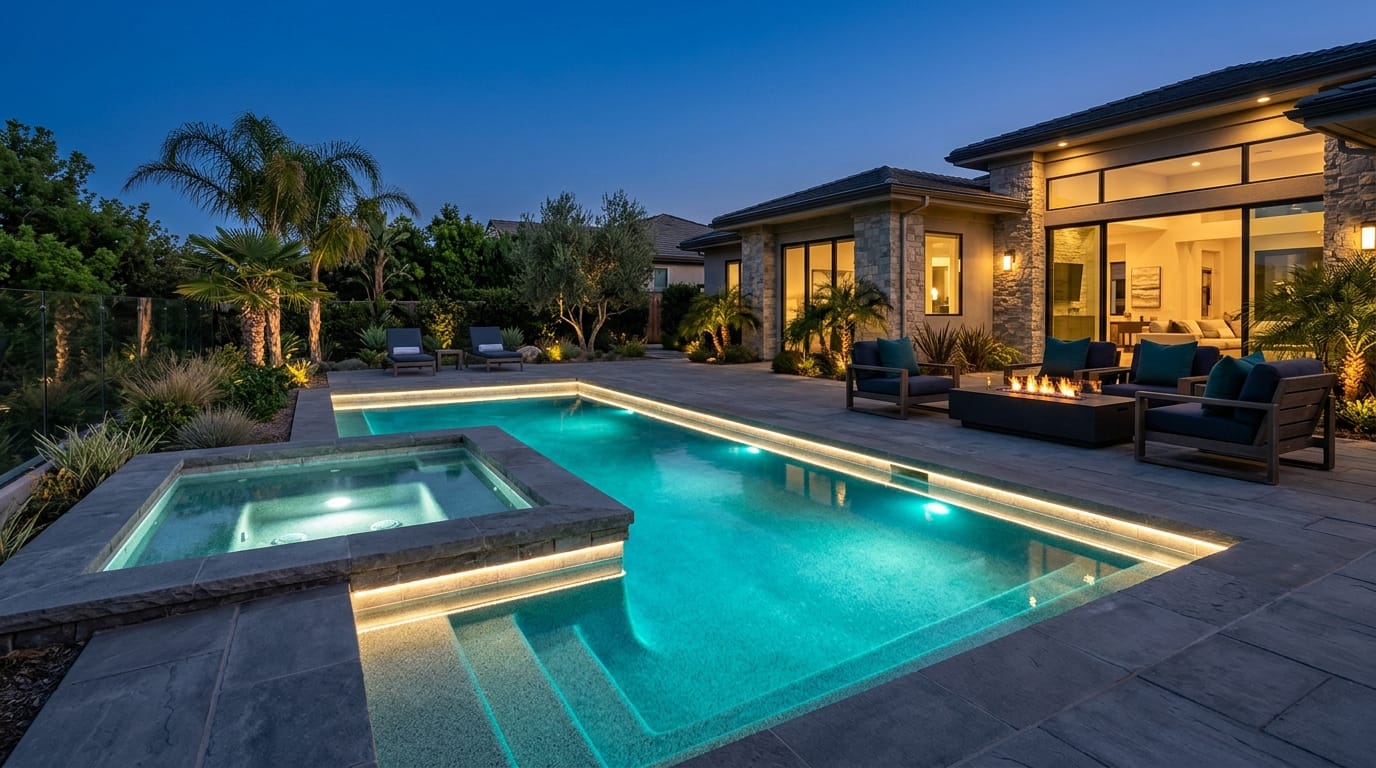
Custom Swimming Pool Builders in Los Angeles, CA If you’re searching for swimming pool builders in Los Angeles, CA, you’re likely looking for a combination of design expertise, construction quality, and long-term durability. In a market like Los Angeles—where outdoor living is part of the lifestyle—having a professionally built pool is not just a luxury, it’s a property value driver. Professional pool builders in Los Angeles specialize in custom pool design, new pool construction, pool remodeling, and outdoor living integration, tailored to both residential and commercial properties. Why Choose Professional Pool Builders in Los Angeles Hiring experienced Los Angeles pool builders ensures your project meets local building codes, soil conditions, and climate considerations. Key Advantages: Custom pool design based on your property layout Permits and inspections handled properly High-quality materials (gunite, shotcrete, fiberglass) Integration with patios, decks, and landscaping Energy-efficient systems (pumps, heaters, LED lighting) Swimming Pool Construction Services in Los Angeles, CA 1. Custom Pool Design Top builders offer 3D design plans so you can visualize your pool before construction begins. Popular designs include: Infinity pools Modern geometric pools Freeform lagoon-style pools Lap pools 2. New Pool Construction From excavation to finishing, pool contractors handle: Site preparation Plumbing and electrical systems Structural shell (gunite/shotcrete) Tile, coping, and decking installation 3. Pool Remodeling & Renovation If you already have a pool, remodeling can increase value and aesthetics: Resurfacing (plaster, pebble, quartz) Tile upgrades Adding spas, waterfalls, or LED lighting Equipment upgrades for efficiency 4. Outdoor Living & Backyard Design Many Los Angeles pool builders also provide: Outdoor kitchens Fire pits and seating areas Pergolas and shade structures Landscaping and hardscaping Popular Pool Features in Los Angeles Homes In Los Angeles, homeowners often invest in premium features to enhance their outdoor space: Infinity edges for hillside properties Beach entry pools for a resort feel Smart pool automation systems Saltwater systems for low maintenance Water features like waterfalls and fountains Cost of Building a Pool in Los Angeles, CA The cost of a swimming pool in Los Angeles varies based on size, design, and features. Average Price Range: Basic pool: $50,000 – $80,000 Mid-range custom pool: $80,000 – $150,000 Luxury pool projects: $150,000 – $300,000+ Factors affecting cost: Soil condition and excavation difficulty Custom features and add-ons Materials and finishes Permits and engineering requirements How to Choose the Best Swimming Pool Builder in Los Angeles When selecting a contractor, consider the following: Licensed and insured in California Portfolio of completed projects Positive online reviews and testimonials Clear timeline and contract Warranty on workmanship and materials Benefits of Installing a Swimming Pool in Los Angeles Increase property value Enhance outdoor lifestyle Perfect for entertaining guests Year-round usability due to warm climate Personal relaxation and fitness FAQ – Swimming Pool Builders Los Angeles, CA How long does it take to build a pool in Los Angeles? Most swimming pool projects take between 6 to 12 weeks, depending on complexity, permits, and weather conditions. Do I need a permit to build a pool in Los Angeles? Yes, all pool construction projects require permits and inspections to comply with local building regulations. What type of pool is best for Los Angeles homes? Gunite pools are the most popular due to their durability and flexibility in design. How much maintenance does a pool require? Regular maintenance includes cleaning, chemical balancing, and equipment checks. Many homeowners install automation systems to simplify upkeep. Can I finance a swimming pool project? Yes, many pool builders offer financing options or work with lenders to provide monthly payment plans. Does a pool increase home value in Los Angeles? Yes, especially in upscale neighborhoods, a well-designed pool can significantly increase property value and buyer appeal. Final Thoughts Choosing the right swimming pool builders in Los Angeles, CA is essential to achieving a high-quality, long-lasting pool. Whether you’re building a new pool or upgrading an existing one, working with experienced professionals ensures your investment delivers both functionality and luxury. Custom Swimming Pool Builders in Los Angeles, CA
Exodus Remodeling – Top Pool Renovation Services Near in Burbank, CA

When your pool begins to show signs of wear, or when your outdoor space no longer reflects your lifestyle, it becomes clear that a renovation is the next smart step. After all, a swimming pool is more than just a place to cool off—it is the heart of your backyard experience. Therefore, choosing the right renovation experts is essential. That is exactly why homeowners trust Exodus Remodeling for the Top Pool Renovation Services Near in Burbank, CA. Moreover, pool renovation is not just about aesthetics. Instead, it involves improving functionality, increasing safety, and enhancing energy efficiency. Consequently, working with experienced professionals ensures long-lasting and visually stunning results. Fortunately, Exodus Remodeling brings together innovation, craftsmanship, and attention to detail to deliver outstanding pool transformations. Why Pool Renovation Is a Valuable Upgrade To begin with, an outdated or damaged pool can reduce both the usability and appeal of your outdoor space. While cracks, faded surfaces, or inefficient systems may seem minor at first, they often lead to bigger problems over time. Therefore, timely renovation prevents costly repairs. Furthermore, modern pool renovations improve energy efficiency. Because new pumps, filters, and heating systems use advanced technology, they consume less energy. As a result, homeowners benefit from reduced utility costs. In addition, a renovated pool significantly increases property value. Consequently, homes with upgraded outdoor features attract more buyers and higher offers. This is why investing in the Top Pool Renovation Services Near in Burbank, CA is both practical and rewarding. Why Choose Exodus Remodeling First and foremost, Exodus Remodeling stands out because of its specialized expertise in pool renovation. Unlike general contractors, they focus on creating custom solutions tailored to each client’s needs. Therefore, every project is unique. Moreover, their team consists of experienced designers and skilled builders. Because of their combined knowledge, they can handle everything from minor upgrades to complete pool transformations. As a result, homeowners receive comprehensive and high-quality services. In addition, Exodus Remodeling values customer satisfaction above all. From the initial consultation to project completion, they maintain clear communication. Consequently, clients feel confident and informed throughout the process. Comprehensive Pool Renovation Services Because pool renovation involves multiple elements, Exodus Remodeling offers a wide range of services. Furthermore, their integrated approach ensures a seamless transformation. 1. Pool Resurfacing Initially, resurfacing restores the appearance and durability of your pool. Afterward, high-quality finishes such as plaster, quartz, or pebble are applied. Consequently, the pool looks refreshed and lasts longer. 2. Tile and Coping Replacement Moreover, tiles and coping define the pool’s overall style. Therefore, upgrading these elements enhances both aesthetics and functionality. As a result, the pool achieves a modern and elegant look. 3. Deck Remodeling In addition, the pool deck plays a crucial role in usability and safety. Because it surrounds the pool area, upgrading it improves both comfort and appearance. Consequently, the entire outdoor space becomes more inviting. 4. Water Features and Enhancements Similarly, adding features such as waterfalls, fountains, and jets creates a luxurious atmosphere. As a result, the pool becomes a relaxing and visually appealing retreat. 5. Lighting Upgrades Not only does lighting improve safety, but it also enhances ambiance. Therefore, modern LED lighting systems are installed. Consequently, homeowners can enjoy their pool even after sunset. 6. Equipment Modernization Finally, outdated systems are replaced with energy-efficient equipment. As a result, pools operate more effectively and require less maintenance. The Pool Renovation Process To ensure exceptional results, Exodus Remodeling follows a structured process. First, they conduct a detailed consultation to understand the client’s vision and requirements. Next, a customized design plan is created. Because every project is unique, solutions are tailored to fit the space perfectly. Furthermore, advanced visualization tools help clients see the final outcome before construction begins. Afterward, material selection takes place. Because quality is a priority, only durable and stylish materials are chosen. Consequently, the finished pool is both beautiful and long-lasting. Subsequently, construction begins. During this phase, skilled professionals handle every detail with precision. Meanwhile, consistent communication keeps homeowners informed. Finally, a thorough inspection ensures that every aspect meets the highest standards. As a result, clients receive a pool that exceeds expectations. Benefits of Professional Pool Renovation Although some homeowners may consider DIY upgrades, professional services offer significant advantages. For example, experienced contractors ensure proper installation and long-term durability. Moreover, hiring the Top Pool Renovation Services Near in Burbank, CA guarantees compliance with safety regulations. Therefore, homeowners avoid potential risks. In addition, professionals complete projects efficiently. As a result, homeowners save time and reduce stress. Furthermore, expert craftsmanship ensures high-quality results that stand the test of time. Modern Pool Design Trends Because outdoor living trends continue to evolve, modern pool designs are becoming more innovative. For instance, sleek geometric shapes and infinity edges are increasingly popular. Additionally, natural elements such as stone and greenery are often incorporated. Therefore, pools blend seamlessly with their surroundings. Moreover, smart technology is transforming pool systems. As a result, homeowners can control lighting, temperature, and filtration remotely. In addition, eco-friendly features such as solar heating and energy-efficient pumps are in high demand. Consequently, pools become more sustainable and cost-effective. Creating the Perfect Outdoor Living Space Because pools are central to outdoor living, Exodus Remodeling focuses on creating complete backyard environments. For example, they can integrate seating areas, fire pits, and outdoor kitchens. Additionally, landscaping enhances the overall design. As a result, the space becomes more cohesive and visually appealing. Furthermore, thoughtful planning ensures that the pool complements the home’s architecture. Consequently, the entire property achieves a polished and harmonious look. Commitment to Quality and Excellence Above all, Exodus Remodeling is dedicated to delivering exceptional quality. Because attention to detail is a priority, every project is completed with precision. Furthermore, the company continuously adopts new techniques and materials. Therefore, homeowners benefit from modern solutions that enhance both aesthetics and functionality. In addition, their focus on customer satisfaction ensures a smooth and enjoyable experience. Consequently, clients trust them for all their renovation needs. Why Burbank Homeowners Trust Exodus Remodeling There are several reasons
Luxury Pool Interior Resurfacing Services Near in Burbank, CA – Premium Pool Restoration by Exodus Remodeling

A swimming pool is more than just a backyard feature. In fact, it is a centerpiece of relaxation, entertainment, and property value. However, over time, even the most beautiful pools begin to show signs of wear. Cracks, rough surfaces, discoloration, and stains can make a once-luxurious pool look outdated and less inviting. Therefore, when homeowners search for Luxury Pool Interior Resurfacing Services Near in Burbank, CA, they need a trusted remodeling company that can restore beauty, durability, and performance with precision craftsmanship. That is exactly why homeowners trust Exodus Remodeling for expert pool interior resurfacing and luxury pool renovation solutions. Because pool interiors face constant exposure to water, chemicals, weather, and regular use, resurfacing becomes essential over time. Moreover, professional resurfacing not only restores the look of your pool but also improves comfort, safety, and long-term durability. At Exodus Remodeling, we specialize in premium pool interior resurfacing designed to bring aging pools back to life. More importantly, we combine high-quality materials, modern resurfacing techniques, and custom finishes to create luxurious swimming environments. If you are looking for Luxury Pool Interior Resurfacing Services Near in Burbank, CA, our experienced team is ready to transform your pool into a stunning backyard centerpiece. Why Pool Interior Resurfacing Matters A pool interior is constantly exposed to water pressure, pool chemicals, and outdoor weather conditions. Therefore, over time, surface materials naturally break down. However, resurfacing restores both beauty and function. Pool resurfacing helps: Because your pool is a major part of your outdoor living space, maintaining it protects your investment. Signs Your Pool Needs Interior Resurfacing Many homeowners delay resurfacing. However, ignoring early warning signs can lead to more expensive structural repairs. Rough Pool Surface If the surface feels rough or abrasive, resurfacing may be needed. Therefore, swimmer comfort becomes affected. Visible Cracks Cracks can worsen over time. As a result, water loss and structural damage may occur. Surface Stains Stubborn discoloration reduces visual appeal. Peeling or Flaking Finish Worn finishes weaken the protective layer. Consequently, damage can spread. Water Loss Leaks may indicate interior damage. Because of these signs, professional resurfacing should not be delayed. Our Pool Interior Resurfacing Services At Exodus Remodeling, we provide complete luxury pool resurfacing solutions. Pool Surface Removal First, we remove damaged or outdated surface materials. This creates a clean foundation for resurfacing. Crack Repair and Structural Preparation Before resurfacing, we repair: As a result, the new finish lasts longer. Luxury Pool Finishes We offer premium finish options such as: Therefore, homeowners can customize the final appearance. Tile and Edge Upgrades We improve pool appearance with: Consequently, the overall design looks more luxurious. Waterproof Surface Protection Protective finishing helps reduce future wear. As a result, durability improves significantly. Why Burbank Homeowners Invest in Pool Resurfacing Living in Burbank means enjoying warm weather and outdoor living for much of the year. Because pools are frequently used, maintaining their appearance and performance becomes important. Common reasons homeowners resurface pools include: Therefore, resurfacing remains a smart investment. Benefits of Luxury Pool Interior Resurfacing Professional resurfacing provides several advantages. Improved Appearance A new pool finish creates a fresh, modern look. Therefore, outdoor spaces feel more attractive. Better Comfort Smooth surfaces are more comfortable for swimmers. Extended Pool Lifespan Resurfacing protects structural materials. As a result, the pool lasts longer. Increased Property Value Luxury pool finishes improve home appeal. Better Water Quality Support Smooth surfaces make maintenance easier. Consequently, water quality management improves. Popular Luxury Pool Surface Options At Exodus Remodeling, we offer premium surface choices. Quartz Pool Finishes Quartz provides durability and elegant shine. Therefore, it remains highly popular. Pebble Finishes Pebble surfaces create texture and luxury appearance. As a result, visual depth improves. Smooth Plaster Finishes Classic plaster offers a clean and polished look. Glass Bead Finishes Glass bead finishes create a high-end sparkling effect. Consequently, luxury appeal increases. Why Choose Exodus Remodeling? Choosing the right resurfacing company matters because pool work requires precision, structural knowledge, and finish expertise. Here’s why homeowners trust Exodus Remodeling: Pool Resurfacing Expertise We specialize in pool restoration and resurfacing. Therefore, project quality improves. High-Quality Materials We use durable premium materials. Custom Luxury Designs Every pool is unique. Because of that, each resurfacing plan is customized. Reliable Project Management We prioritize deadlines and quality. Customer-Focused Service We focus on communication and satisfaction. Our Pool Resurfacing Process We follow a detailed resurfacing process. Step 1: Pool Inspection First, we inspect the pool’s current condition. Step 2: Surface Preparation Next, damaged materials are removed. Step 3: Repairs Then, cracks and structural issues are fixed. Step 4: New Surface Installation After that, the new luxury finish is applied. Step 5: Final Inspection Finally, we inspected the completed pool. As a result, quality and durability are ensured. How Often Should Pool Resurfacing Be Done? Pool resurfacing frequency depends on material type and maintenance. General guidelines: Therefore, regular inspections help determine the right timing. Pool Resurfacing vs Full Pool Renovation Some homeowners wonder if resurfacing is enough. Resurfacing Is Best For: Full Renovation Is Best For: However, resurfacing is often the more affordable option. Common Pool Maintenance Tips After Resurfacing To protect your new pool surface: Maintain Water Chemistry Balanced chemicals prevent damage. Brush the Pool Regularly This keeps surfaces clean. Schedule Inspections Regular maintenance prevents future problems. Clean Filters Better filtration supports cleaner surfaces. As a result, resurfacing lasts longer. Why Professional Pool Resurfacing Matters DIY resurfacing often leads to poor results. Professional service provides: Therefore, expert service is strongly recommended. What Makes Exodus Remodeling Different? Not every company specializes in luxury pool resurfacing. However, Exodus Remodeling focuses on premium finishes, structural quality, and customer satisfaction. We provide: Therefore, homeowners receive premium results. Transform Your Pool Into a Luxury Backyard Feature A worn pool surface can reduce both beauty and comfort. Therefore, professional resurfacing is one of the best ways to restore your outdoor living space. By choosing Luxury Pool Interior Resurfacing Services Near in Burbank, CA, you improve your pool’s appearance, durability, and value. At Exodus Remodeling, we are
5 Transformative Backyard Pool Remodeling Ideas for Los Angeles Homes
The Los Angeles Pool Evolution: 5 Strategic Remodeling Moves for 2026 In the Los Angeles luxury market—from the jagged elevations of the Hollywood Hills to the sprawling estates in Westlake Village , a pool remodel is a high-stakes play for property equity. We aren’t just talking about a fresh coat of plaster. A modern renovation in Southern California must reconcile high-performance engineering with the demand for a seamless, “resort-at-home” lifestyle. At Exodus Construction & Remodeling Inc, we treat every basin as a structural centerpiece. Here is how we are re-engineering backyards to outpace the market. A modern zero-edge integration in the San Fernando Valley. 1. The Architecture of Flow: Erasing the Threshold The biggest shift in 2026 is the total erasure of the line between the living room and the water’s edge. This isn’t achieved with paint; it’s achieved with flush-mount coping and perimeter slot overflows. By matching your interior flooring to your exterior large-format porcelain pavers, we create a visual infinity effect that makes your square footage feel doubled. We are seeing massive demand for integrated culinary stations. These aren’t just “grill islands.” We’re installing 316-grade marine stainless steel kitchens and custom-poured concrete counters that can handle the 100°F+ heat of the valley without cracking or warping. 2. Advanced Material Science: Beyond Standard Plaster If your pool was built 15 years ago, it likely has white plaster. In the modern LA market, that’s a liability. We utilize UV-resistant aggregate finishes (like PebbleTec) that provide a 20+ year lifespan. Unlike plaster, aggregate is highly resistant to the staining and chemical degradation common in hotter SoCal climates. Travertine & Natural Stone: For Bel Air and Pacific Palisades estates, travertine remains the gold standard because it stays cool to the touch even in direct sunlight. Glass Tile Mosaics: For those seeking a vibrant, “Malibu Blue” aesthetic, glass tile is impervious to water and chemicals, ensuring your pool color never fades. 3. Elemental Dynamics: Engineering Fire and Water Moving water serves a functional purpose in Los Angeles: it provides a white-noise barrier against ambient city sounds. Sheer Descents and Infinity Edges introduce a soothing acoustic layer that is essential for properties near the I-405 or 101 corridors. To balance the water, we integrate linear fire troughs and automated fire bowls. These are no longer manual; they are tied to your home automation system, allowing you to ignite your entire backyard ambiance with a single tap on your phone. 4. Invisible Intelligence: Smart Automation & Lighting Luxury is about what you don’t see. Modern pool systems like Pentair ScreenLogic or Jandy iAquaLink move the “work” of pool ownership to the cloud. We automate your Variable Speed Pump (VSP), heating, and chemical dosing to ensure the pool is always “guest-ready.” Lighting has also evolved from a single high-wattage bulb to layered low-voltage LED arrays. We use sub-surface color-changing lights to illuminate the water, paired with path and accent lighting that highlights the architectural foliage of your landscape. 5. Structural Shade: Bespoke Pergolas and Cabanas In a city of relentless sun, shade is the ultimate luxury. We design custom, louvered-roof pergolas that require LADBS structural permitting and engineering. These are permanent additions to your home’s footprint, often featuring integrated audio, radiant heaters, and media walls for the ultimate outdoor cinema experience. Frequently Asked Questions What is the typical investment for a comprehensive LA pool remodel? A luxury transformation in Los Angeles typically ranges from $75,000 to $250,000+. This covers structural additions like Baja shelves, premium PebbleTec finishes, and full equipment automation. How long does the permitting process take? Navigating LADBS and Title 24 compliance usually adds 4 to 12 weeks to a project timeline. We handle all structural engineering and documentation to ensure your project stays on track. Why are Variable Speed Pumps mandatory in California? Title 24 energy standards mandate high-efficiency pumps. A VSP can save up to 80% on energy costs compared to old single-speed models, making it one of the few pool upgrades that actually pays for itself.
Building Your Dream Pool: The Cost & Value in Los Angeles

Discover the costs and processes of pool construction in Los Angeles. Learn about our unique offerings at Exodus Construction & Remodeling Inc. Pool construction in Los Angeles opens the door to year-round outdoor living—an essential for SoCal’s sunny climate and strict local regulations. Learn what goes into building your dream pool, the true costs unique to Los Angeles, and how our team ensures value from design to completion. Transform Your Yard: The Real Cost & Value of Pools in Los Angeles Understanding Pool Construction Costs We’ve worked on all kinds of yards across L.A., from tight Silver Lake bungalows to sprawling Westlake Village estates. The cost of building a pool here can vary dramatically – think anywhere from $80,000 to $250,000+ depending on size, design, and extras. We always remind clients that unique site factors, like hillside access or older pipes, can shift the budget fast. Entry-Level Pools $80,000 – $120,000 Custom/Luxury Pools $150,000 – $250,000+ Optional Features (Spas, Waterfalls, Automation) $15,000 – $50,000+ In our experience, investing in licensed, bonded, and insured pool construction in Southern California is what protects your home and your peace of mind. We carry robust insurance, so you never have to worry about the unexpected. Value Addition through Pool Installation The right pool transforms outdoor living – imagine hosting friends, family, and enjoying SoCal evenings in your own backyard resort. Our clients in neighborhoods like Hancock Park or Sherman Oaks often see increased property values and curb appeal after a quality install. Beyond resale, it’s about daily relief: the sound of water, a cool dip after work, and a space that feels like a getaway. Our company specializes in luxury-pool-construction, blending swimming pool construction with outdoor living spaces, hardscaping, and water features. We stand behind every project with transparent warranty information and a streamlined process: Personalized design consultation and quote request Clear service area coverage Professional project management – no surprises If you’re ready to discover what’s possible for your L.A. yard, reach out and let’s start transforming your space. Enhancing Your Lifestyle: Why a Pool Matters Creating Your Dream Scenario Globally, a pool is more than a backyard addition – it’s an invitation to elevate daily life. In our experience, the transformative effect of a thoughtfully designed pool is undeniable: it becomes your private retreat, a place to gather, unwind, and celebrate milestones. We’ve seen families in Los Angeles discover that their pool isn’t just about swimming – it’s about creating a home that feels like a resort. Here in L.A., pools play a unique role thanks to our Mediterranean climate. With nearly year-round sunshine, outdoor living is more than a trend – it’s a way of life. Our clients in Westlake Village or the hills above the city often ask how to blend hardscaping, water features, and landscape so the pool feels like a natural extension of their living space. We always remind them: careful planning means you’re not just building a pool, you’re setting the stage for countless summer evenings under the stars. The Emotional Benefits of Pool Ownership There’s a special kind of relief that comes from knowing your home has a space where you can instantly relax or entertain – no reservations needed. We’ve watched parents beam as their children splash in a new spa or water feature, and we’ve heard from busy professionals who find stress melts away the moment they dip into the water. Here in Southern California, pools are also a status symbol, reflecting a commitment to comfort, hospitality, and wellness. Our team covers every detail – from expert permitting to seamless integration with your outdoor living spaces – so you’re free to enjoy peace of mind. With us, the journey from dreaming to dipping your toes is handled by professionals who understand L.A.’s specific regulations and culture. The benefit? Your pool isn’t just an addition – it’s a lifestyle upgrade, tailored for life in Los Angeles. The Exodus Construction & Remodeling Inc Standard: Our Process Our 6-Step Build Process Building a pool in L.A. isn’t just about digging a hole and filling it with water. Our company approaches each backyard as a blank canvas – whether you’re in Westlake Village or the heart of the city, our process is about partnership and precision. We’ve seen families transform their entire outdoor lifestyle after a pool upgrade, so we take every project personally. how to choose a reliable pool contractor in Los Angeles. 1. Consultation & Vision: We start with a detailed on-site meeting, listening to your ideas and sharing inspiration from recent projects across Southern California. You’ll get honest advice about what works best for your space and budget. 2. Design & Planning: Our designers create custom plans – think luxury-pool-construction, not cookie-cutter. We factor in sun angles, privacy, and how you truly live outdoors. Pool, spa, or full outdoor living spaces, we tailor every detail. 3. Permitting & Logistics: We handle all the city paperwork, so you never get bogged down in red tape. In our experience, permitting in L.A. can be tricky, but our relationships with local offices keep things moving. 4. Groundwork & Construction: Our crews are skilled in everything from hardscaping to water features – no subcontractor roulette. We’re on site, managing every step and communicating updates so you’re never left guessing. 5. Finish Work & Detailing: Whether it’s replastering, custom paver installations, or integrating a new spa, we focus on craftsmanship. Practical tip: We always recommend slip-resistant materials – especially with kids running around in SoCal summers. 6. Handover & Aftercare: Once your pool is ready, we walk you through every feature and provide clear warranty information. Our relationship doesn’t end at completion; we’re a call away for support or upgrades down the road. Why Choose Us Over Cheap Contractors We’ve been called to fix too many cut-corner jobs around L.A. Here’s what sets our team apart: Transparency From Day One: You get clear estimates – no surprise add-ons. Fully Insured & Licensed: Our $2M liability coverage means peace of
The Critical Need for Emergency Pool Drainage in Los Angeles

The Critical Need for Emergency Pool Drainage in Los Angeles If you’re facing an emergency pool drainage situation in Los Angeles, Exodus Construction & Remodeling Inc is here to help. We offer fast, reliable services tailored to your needs. Emergency pool drainage Los Angeles is a critical service for homeowners facing sudden leaks, flooding, or unsafe water conditions. With Los Angeles’ unique climate and local water regulations, knowing how to act fast can protect your property and save money. Here’s what you need to know about urgent pool drainage solutions in LA. The Problem with Emergency Pool Drainage in Los Angeles Identifying Pool Drainage Emergencies When a sudden pool crisis hits here in L.A. – whether it’s a major leak or a storm flooding your yard – every minute counts. We’ve seen everything from clients in Beverly Hills waking up to overflowing pools, to homeowners in Culver City facing rapid water loss that threatens their foundations. As a licensed, bonded, and insured pool contractor, our company knows these emergencies can’t wait. permit requirements for pool drainage in LA. pool designs for small Los Angeles backyards. Unexpected pool shell cracks causing rapid drainage Malfunctioning pumps leading to water overflow Stormwater contamination after heavy rains Electrical hazards from submerged equipment Potential structural damage to nearby patios or basements Local Challenges in Pool Management In our experience, Los Angeles presents unique challenges – tight property lines, strict municipal rules, and climate extremes. If you’re in Westlake Village or Santa Monica, a simple drainage mishap can escalate fast. That’s why at Exodus Construction & Remodeling Inc, we’re ready to respond quickly, often within the hour, to protect your investment and your safety. Are there local regulations for pool drainage in Los Angeles? Yes, Los Angeles enforces specific regulations for pool drainage to prevent flooding and protect the environment. Always work with licensed professionals who understand local codes. Why Ignoring Emergency Pool Drainage Costs You More The Risks of Delay Here in L.A., we’ve witnessed how quickly a pool emergency can spiral out of control when homeowners wait too long. Delaying proper drainage – even by a few days – can turn a minor issue into a major headache. In our experience, the longer water sits stagnant, the greater the risk of structural damage and health concerns. We’ve seen this firsthand from Beverly Hills to Santa Monica. pool maintenance costs in Southern California. Water damage to patios, landscaping, or nearby structures Rapid algae and bacteria growth, especially in SoCal heat Risk of fines for non-compliant or overflowing pools Potential electrical hazards from submerged equipment Financial Implications of Inaction A practical tip we give clients: the cost of emergency pool drainage is far less than repairing a damaged shell or coping with code violations. Our company, as a licensed, bonded, and insured pool contractor, has helped countless homeowners avoid hefty repair bills by acting fast. Waiting risks not just your pool but your investment in your property. How fast can emergency pool drainage be performed in Los Angeles? Qualified teams can typically perform emergency pool drainage in Los Angeles within the same day, depending on your location and the severity of the issue. Immediate response ensures minimal risk and complies with city codes. The Exodus Construction & Remodeling Inc Solution: Fast, Reliable, Local When a pool starts overflowing or equipment fails here in Los Angeles, every hour matters. We know firsthand how quickly water can threaten a home or business – especially during surprise storms in places like Westlake Village or hillside neighborhoods. That’s why our company offers 24/7 emergency pool drainage throughout the city and nearby areas. We’re known for moving fast, staying reliable, and always understanding the unique demands of SoCal properties. how to choose a reliable pool contractor in Los Angeles. Our Drainage Process Immediate phone consultation to assess the emergency. Rapid on-site arrival – often within the hour in most L.A. neighborhoods. Thorough inspection to identify hazards and protect landscaping or property. Safe, code-compliant drainage using specialized pumps and equipment. Post-drainage evaluation and recommendations for repairs or prevention. We’ve seen it all – from sudden leaks in Beverly Hills to malfunctioning pumps in Santa Monica. Our experience means fewer surprises for you. Trust and Credentials Our team includes licensed, bonded, and insured pool professionals. We’ve been serving the Los Angeles area for over a decade, handling emergency pool drainage, in-ground pool design, and even luxury pool upgrades. Clients trust us because we know local codes and take care to protect your property. Getting a Quote Don’t wait for water damage to escalate. Call us now for immediate assistance, or use our quick online form or chat for a fast service quote. Emergency pool drainage pricing is always provided upfront – no surprises. We’re ready to help, whether you’re in Culver City, Pasadena, or anywhere across L.A. Neighborhood Nuances in Emergency Pool Drainage Diverse Needs Across Los Angeles Every pocket of L.A. brings its own quirks when it comes to emergency pool drainage. In our experience as licensed, bonded, and insured pool contractors, the drainage issues we see in Beverly Hills’ hillside estates differ a lot from the tighter lots in Culver City or the older systems in Pasadena. For example, we recently helped a family in Westlake Village who found their pool overflowing after a sudden storm – something we see often in that area due to unique yard slopes. custom pool design services in Los Angeles. Specific Challenges in Different Areas Santa Monica and coastal zones: High water tables increase flooding risks, requiring quick action. Pasadena: Mature trees often clog drainage, speeding up the need for fast intervention. Beverly Hills: Luxury in-ground pool designs demand careful water feature protection during emergency drains. Our company, Exodus Construction & Remodeling Inc, always tailors solutions to each neighborhood, ensuring pool safety and property protection across Southern California. About Exodus Construction & Remodeling Inc Services: Emergency Pool Drainage, Pool Maintenance Service Areas: Beverly Hills, Pasadena, Westlake Village, Santa Monica Business: Exodus Construction & Remodeling
Uncovering the Hidden Costs of Pool Construction in Los Angeles

Uncovering the Hidden Costs of Pool Construction in Los Angeles Building a pool in Los Angeles can come with hidden costs that many homeowners overlook. From permits to landscaping, understanding these expenses can help you avoid budget overruns. In Los Angeles, understanding the Hidden Costs of Building a Pool in California is essential for any homeowner or business looking to add value and enjoyment to their property. Our team reveals how local regulations, climate, and neighborhood trends uniquely impact pool construction costs in LA, so you can plan with confidence. Understanding the Hidden Costs of Pool Construction We often meet L.A. homeowners who are surprised by the real price tag of building a pool. Beyond the initial quote, there are layers of expenses – many of which only come up once construction is underway. Our company, a licensed, bonded, and insured authority on pool projects in Southern California, knows how quickly the numbers can shift. pool construction permits in Los Angeles. Permits and Inspection Fees Securing permits in Los Angeles isn’t just a formality. We’ve seen projects near Westlake Village get delayed – and more expensive – due to unexpected city requirements. Plan check fees, inspections, and compliance with ever-evolving codes can add thousands to your budget. We always advise clients to factor in these costs early, as permitting in CA is rarely straightforward. Landscaping and Hardscaping Costs A new pool almost always means changes to your yard. Pool pavers, retaining walls, and upgraded landscaping can significantly impact the bottom line. Around the city, clients often underestimate how much it takes to blend a pool seamlessly into existing outdoor spaces. We recommend setting aside a portion of your budget for these finishing touches – especially if you want your investment to look like it belongs in your neighborhood. The Reality of Pool Construction in Los Angeles Typical Costs in the LA Market Here in L.A., pool construction costs catch many homeowners off guard. In our experience, the quoted price often covers just the basics. Once you factor in permits, fees, and specialty finishes, totals rise quickly – especially for custom shapes or upgraded features like LED lighting, water features, or energy-efficient pumps. We’ve walked clients through transparent breakdowns where hardscaping, pool pavers, and landscaping can add $30,000 or more to the initial bid. Warranty coverage and insurance are also critical, as local codes in Southern California require contractors to be licensed, bonded, and insured. Los Angeles pool construction market trends. Common Site Conditions Affecting Costs Every backyard in L.A. has its quirks. We’ve seen hillside lots in Westlake Village require significant grading and retaining walls, while tight city lots mean extra logistics for access and staging. Soil conditions can surprise even seasoned pros – sometimes, we discover old septic tanks or clay that demands additional engineering. Our practical tip: budget a cushion for site-related surprises. It’s not uncommon for these factors to shift timelines and costs, but a clear contract and experienced crew help keep things on track. Neighborhood Nuances: Costs Across LA Variations in Costs by Neighborhood Pool construction costs truly aren’t one-size-fits-all here in L.A. – we’ve seen price swings between neighborhoods that take many first-timers by surprise. For example, hillside properties in Westlake Village often require more extensive engineering and retaining walls, bumping up both permit fees and hardscaping costs. In contrast, flat lots in the Valley tend to be less complex, but city permit requirements may still push up the final bill. pool costs by Los Angeles neighborhoods. Case Study: Pool Projects in Different Areas Our team recently helped a family in Southern California navigate unexpected costs tied to local water restrictions and HOA guidelines, which can add thousands to a project. Another client near the city center faced higher insurance premiums and specialized finishes to match historic architecture. We always recommend transparent cost breakdowns, so clients know exactly what goes into their pool build – no surprises down the line. Smart Strategies to Avoid Cost Overruns Choosing the Right Pool Finishes We’ve seen plenty of pool projects around L.A. go sideways because homeowners didn’t realize how much finishes can drive up the budget. From premium tile to advanced pebble tech, each choice comes with its own price tag and maintenance needs. Our team always advises clients to think beyond the look – consider the long-term durability and how those finishes handle the SoCal sun. Sometimes, a classic plaster finish does the job beautifully and keeps future repair costs down, especially in neighborhoods like Westlake Village where the weather can be tough on materials. tips for hiring licensed pool contractors. The Importance of Hiring a Licensed Contractor One of the smartest moves is working only with a licensed, bonded, and insured pool builder. We’ve met too many Los Angeles homeowners who got lured by a low-ball quote, only to get hit with surprise permit fees, insurance issues, or incomplete warranties. Our company always provides a transparent cost breakdown up front, so there are no hidden fees mid-project. A practical tip: always verify credentials and ask for details about warranty coverage and insurance before signing anything – this simple step can save you tens of thousands in unexpected expenses. How can homeowners avoid hidden pool construction costs in Los Angeles? Homeowners can avoid hidden pool construction costs in Los Angeles by working with licensed contractors, budgeting for local permit fees, and considering long-term energy efficiency upgrades. Planning ahead helps reduce surprises. Energy Efficiency and Long-term Value Investing in Energy-efficient Pool Systems We’ve seen more homeowners across L.A. ask about energy-saving equipment – and for good reason. High-efficiency pumps and LED lighting can shrink utility bills over the long haul. In Westlake Village, a client recently upgraded to a variable-speed pump and told us their monthly costs dropped noticeably. While the upfront expense is a bit higher, the long-term savings and rebates in Southern California often surprise folks. energy-efficient pool systems in Los Angeles. Understanding Warranty Coverage One hidden pool cost many overlook is warranty coverage on
The Real Cost of Pool Remodeling in Los Angeles: An Exodus Construction Audit

In Los Angeles, a pool remodel typically ranges from $25,000 to $100,000+, depending on scope. This includes replastering, tiling, coping, decking, and equipment upgrades. Factors like material choice, pool size, structural repairs, and permit fees significantly influence the final price. Exodus Construction & Remodeling Inc provides detailed local estimates. In Los Angeles, understanding the real cost of pool remodeling is crucial for homeowners planning an upgrade. Our team at Exodus Construction & Remodeling Inc provides transparent audits, detailing factors from permits to finishes, ensuring you make informed decisions. Cost Guide: Pool Remodeling Prices in Los Angeles Understanding your pool remodeling cost involves materials, labor, permits, and site complexities. Projects in Southern California typically range from $10,000 for a basic refresh to over $150,000 for a luxury transformation. These figures reflect diverse needs and regulatory environments. Average Remodel Ranges by Scope Exodus categorizes remodels to clarify your swimming pool renovation price based on desired features and finishes. Remodel Tier Estimated Cost Range Typical Inclusions Entry-Level Refresh $10,000 – $25,000 Plaster resurfacing, basic tile repair, essential equipment diagnostics. Mid-Range Upgrade $25,000 – $70,000 Pebble finish, new waterline tile, efficient heat pump, smart controls, minor deck work. Luxury Transformation $70,000 – $150,000+ Full glass tile, structural modifications (e.g., seismic retrofitting), custom water features, extensive outdoor living integration. Initial Investment: What to Expect Factors driving costs include specialized labor rates ($55-$150/hour) and site accessibility, which may require crane rentals ($1,000-$5,000). Permitting adds significant “soft costs,” with timelines from 2-6 weeks in Los Angeles to several months for complex coastal projects. Material choices greatly impact budget; a full glass tile installation can be $30,000-$45,000, versus $3,000-$5,000 for standard waterline tile. New Title 24 regulations (Jan 1, 2026) mandate high-efficiency heat pumps. Santa Monica homeowners might also face “water neutrality” offset fees. What Influences the Cost of Pool Remodeling in Los Angeles? Understanding cost drivers is key for Southern California homeowners. We offer transparency on how various elements shape your pool remodeling investment. Pool Size and Depth: Larger pools or significant depth alterations increase material, labor, and excavation demands. This directly raises overall project costs. Material Choices: High-end finishes like full-pool glass tile, popular in Brentwood, can range from $30,000 to $45,000. Durable aggregate finishes like PebbleTec also influence the budget more than standard plaster. Equipment Upgrades: Modernizing for energy efficiency is now crucial. California’s Title 24, Part 6 (effective Jan 1, 2026) mandates heat pump or solar thermal integration, effectively prohibiting gas heaters as primary heat sources for major remodels. Structural Repairs: Addressing issues like seismic retrofitting for hillside properties or specialized work on older plumbing in Pasadena homes adds complexity. Such repairs often require soil reports and peer reviews costing upwards of $5,000. Water Features and Spa Integration: Adding elements like waterfalls, fire pits, or a new spa introduces significant design, plumbing, and material costs. Many homeowners in Thousand Oaks prioritize these resort-style amenities. Permit and Regulatory Fees: Permitting in Southern California is complex and varies. In Malibu, a Coastal Development Permit is often required, potentially extending timelines by 4 to 6 months for inland projects. Site Accessibility: Difficult-to-access sites, particularly in hillside areas like Pacific Palisades, increase mobilization expenses. Specialized equipment like cranes for material transport can add $1,000 to $5,000 to the budget. Design and Engineering: Complex architectural designs or custom engineering, especially in communities with strict Architectural Review Committees like Hidden Hills, significantly influence project costs. These ensure specific aesthetic and structural compliance. Comparing Pool Remodeling Options: Basic vs. Premium in LA Essential Replastering vs. Full Renovation Basic remodels, like resurfacing and essential equipment repairs, typically cost $15,000 to $40,000, extending pool life and maintaining equity. Full renovations in areas like the Westside Luxury Corridor involve comprehensive architectural changes, often starting at $90,000 and reaching over $250,000 for complex designs. Budget Finishes vs. Luxury Materials Material choice impacts cost and aesthetics; UV-resistant pebble finishes offer durability, while full-pool glass tile can range from $30,000 to $45,000. This compares to $3,000 to $5,000 for standard waterline tile. Our team guides clients through these material selections. Standard Equipment vs. Smart Home Integration Modern remodels integrate energy efficiency and smart technology, driven by California regulations. New Title 24 standards mandate heat pump pool heaters (HPPH) or solar thermal integration for major remodels, with new equipment also requiring grid-responsive controls post-September 2025. Option Typical Range Best For Watch Outs Essential Refresh & Code Compliance $15,000 – $40,000 Homeowners focused on critical repairs, extending pool lifespan, and meeting new safety/drainage codes. Ideal for value-preservation in areas like Van Nuys. Limited aesthetic upgrades. Permitting still required for plumbing/electrical work and mandatory safety features (SOFA, Barrier Act). Mid-Range Aesthetic & Efficiency $40,000 – $90,000 Updating outdated designs with sleek finishes (e.g., dark pebble), new coping/waterline tile, and upgrading to energy-efficient heat pump pool heaters (HPPH) as per Title 24. May not include major structural changes or extensive water features. Longer permit times if layout changes are involved. Luxury Custom Transformation $90,000 – $250,000+ Complete architectural re-visioning, high-end materials (full glass tile), resort-style features, advanced smart home integration, and structural work. Common in Beverly Hills or Hidden Hills. Significant regulatory hurdles, especially in coastal zones (Malibu CDP 4-6 months, complex 18-24 months). High labor costs and specialized equipment needs. Targeted Tech & Safety Upgrade $10,000 – $35,000 (if standalone) Ensuring compliance with 2025-2026 regulations (Title 24, SOFA, Barrier Act), installing grid-responsive controls, or adding specific safety features. These are mandatory costs for any remodel touching relevant systems. May not include aesthetic improvements unless bundled with other work. Hidden Costs & Red Flags to Watch For in LA Pool Projects Anticipating every pool remodeling cost is crucial. Hidden expenses include unforeseen structural issues; hillside pools may need seismic retrofitting or crane access, adding $1,000-$5,000. Permit delays, sometimes over two months for complex Los Angeles projects, also increase project duration and cost. Mandatory upgrades like SOFA-compliant drain covers (effective October 2025) and Santa Monica’s “Water Neutrality” fees (adding $500-$1,500 for drainage), are non-negotiable. Material escalation clauses can also impact final
Transform Your Backyard: 10 Tips for Building a Modern Pool in Los Angeles

Building a modern pool in your Los Angeles backyard involves careful planning and execution. Explore our 10 tips covering costs, design, permits, and maintenance. 10 tips to build Modern Pool in backyard are crucial knowledge for any Los Angeles homeowner looking to upgrade their outdoor space. With Los Angeles’ unique climate and strict pool regulations, our team guides you through every step for a seamless, modern pool project. Attention: Why a Modern Pool is a Must-Have in Los Angeles Current Trends in Pool Design Globally, outdoor living has become a central theme in modern home design. But here in L.A., the climate all but demands it – year-round sunshine means our clients expect their backyards to function as private retreats. Modern pool design isn’t just about sleek lines and stylish water features; it’s about blending indoor and outdoor spaces seamlessly. We’ve noticed in places like Westlake Village and Beverly Hills, homeowners want geometric layouts, integrated spas, and low-maintenance materials that suit busy SoCal lifestyles. Los Angeles pool builders. In our experience, a tailored approach is key. Los Angeles’ strict pool safety regulations, drought-conscious landscaping, and the desire for eco-friendly technology all play a role. Our team guides clients through permit hurdles, smart water use, and design choices that reflect local culture – think sun shelves for lounging and fire features for evening gatherings. Impact on Property Value We’ve seen firsthand how a thoughtfully designed pool can boost a home’s value, especially in markets like Santa Monica and Glendale. In neighborhoods where outdoor entertaining is a way of life, buyers expect a modern pool as part of the package. Our company – Exodus Construction & Remodeling Inc, with over 20 years of experience as a licensed, bonded & insured LA-based pool construction and remodeling expert – consistently helps clients maximize their investment by integrating pools with hardscaping, outdoor kitchens, and lush landscaping. If you’re looking to elevate your backyard into a true Southern California oasis while enhancing property value, partnering with a team that understands the local landscape is the smartest move. Interest: Understanding the Costs and Planning Requirements Cost Breakdown for Modern Pools in LA When folks ask us about building a modern pool here in L.A., the first question is always about cost – and for good reason. Pricing can swing dramatically depending on whether you’re in the residential suburbs or closer to commercial areas. In the residential suburbs, we’ve noticed clients are prioritizing larger footprints, sleek water features, and integrated spas – these upgrades can nudge costs higher, especially when you want your backyard to feel like a private oasis. If you’re looking near commercial zones, tighter spaces and higher demand for compact, stylish pools play into pricing. Access can also be trickier near busy corridors like Wilshire Blvd or around the Metro stations, which sometimes adds to delivery and permitting costs. The ultimate guide to building a new pool in Los Angeles. Zone Estimated Pool Build Range Notable Factors Residential Suburbs $85,000 – $200,000+ More space, custom features, easier truck access Commercial Areas $100,000 – $240,000+ Smaller lots, high demand, complex access/permits We’ve seen budgets stretch in neighborhoods with limited truck access or where local ordinances require extra reviews – especially those near major transit hubs. A practical tip: always factor in soft costs like soil testing, engineering, and permit fees, which can add up quickly here. Essential Planning Steps Our team always reminds clients that L.A. pool construction isn’t just about design – it’s about aligning with city regulations and understanding neighborhood-specific quirks. Permits here can be more involved than in other SoCal cities. For example, in residential suburbs, plan ahead for HOA reviews and utility easements. Around commercial zones, expect more scrutiny on noise and working hours, especially near busy intersections. We guide homeowners through the maze of city codes, ensuring all boxes are checked before work begins. With over 20 years of experience navigating local red tape, we’ve learned it’s better to over-prepare than be surprised by an unexpected city inspector. If you’re Googling “modern pool builder near me” around L.A., just know every neighborhood moves at its own pace, so the earlier you start planning, the smoother (and less expensive) the whole process will be. How much does it cost to build a modern pool in Los Angeles? Building a modern pool in Los Angeles typically costs between $70,000 and $150,000. Final pricing depends on pool size, materials, and any custom features you select. Desire: Enhancing Your Outdoor Space with a Modern Pool Nothing transforms a backyard quite like a modern pool designed for life here in L.A. We’ve seen countless homeowners excited to create a true outdoor sanctuary – combining relaxation, entertainment, and style. It’s about more than just swimming; it’s about making the most of our SoCal lifestyle, whether that means sunset gatherings in Westlake Village or family barbecues in Glendale. Backyard landscaping ideas for Los Angeles homes. Popular Design Features Tip 1: Consider integrating a Baja shelf – these shallow lounging areas are a favorite for sunbathing and ideal for families with young kids in Beverly Hills. Tip 2: Infinity edges are popular in hillside neighborhoods, offering stunning views and a sleek, modern vibe. Tip 3: LED lighting is a practical tip we give clients for adding nighttime ambiance without spiking energy bills. Tip 4: We recommend combining pools with custom water features; even a simple cascade can add a touch of resort luxury. Tip 5: Seamless hardscape transitions – like integrated patios or fire pits – make your pool area a true extension of your home. Tip 6: Our team specializes in blending drought-tolerant landscaping with pool designs, perfect for L.A.’s climate and water restrictions. Safety Standards for California Pools Tip 1: Always check local safety codes; in our experience, childproof fencing is non-negotiable in most Los Angeles neighborhoods. Tip 2: Modern pool covers are both secure and energy-efficient, a frequent request from our Pasadena clients. Tip 3: Non-slip surfaces around the pool deck are essential for safety
