
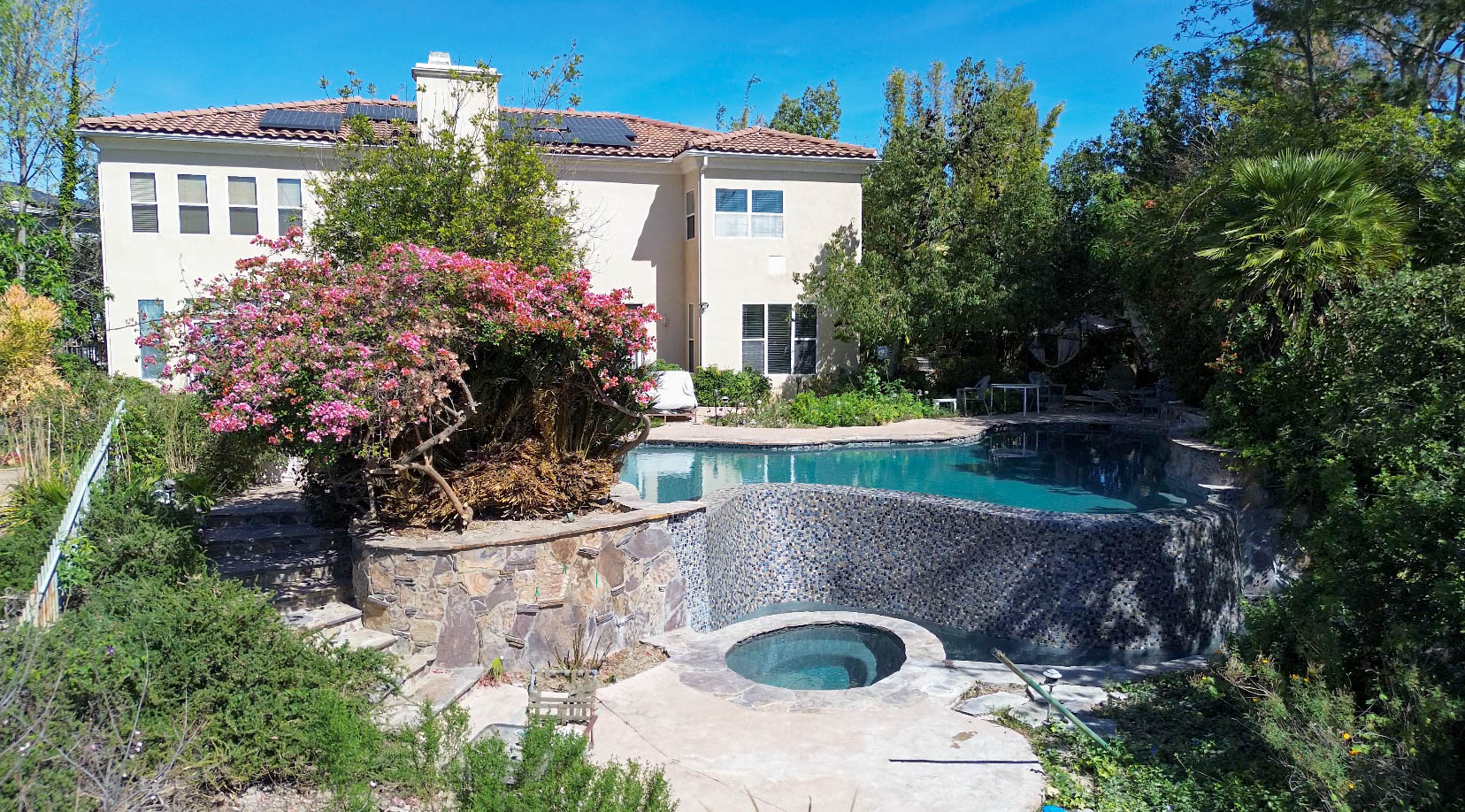
A beautiful swimming pool adds comfort, elegance, and enjoyment to a Beverly Hills home. However, keeping that pool clean, clear, and inviting requires more than regular skimming and occasional chemical treatments. The filtration system also plays a vital role because it helps remove suspended particles, supports effective water circulation, and contributes to a healthier swimming environment.
Over time, an older pool filter may become less efficient, require frequent maintenance, or struggle to keep the water consistently clear. Consequently, upgrading the filtration system can be a smart investment for homeowners who want dependable performance and easier pool care. With professional Pool Filter Upgrade Services in Beverly Hills, CA, homeowners can explore modern filtration options that better match their pool’s size, design, and maintenance requirements.
Exodus Remodeling helps homeowners explore pool construction and remodeling solutions that complement their outdoor living spaces. Whether you are improving an existing swimming pool or planning a broader outdoor renovation, a well-selected filtration system can contribute to better performance and a more enjoyable swimming experience.
Moreover, the right upgrade does not have to be based on guesswork. By understanding the available filter types, evaluating your pool’s current condition, and choosing equipment that suits your needs, you can make a more confident decision about your next pool improvement project.
Why Pool Filter Performance Matters in Beverly Hills, CA
A pool filter is an essential part of the circulation system. While pool chemicals help manage water sanitation, filtration captures many particles that would otherwise remain suspended in the water. Therefore, an effective filter works alongside the pump, circulation lines, and appropriate water-treatment routine.
However, not every filtration system performs equally well in every pool. Pool size, swimmer activity, surrounding landscaping, equipment condition, and maintenance habits can all affect filtration needs.
For example, a pool surrounded by trees may collect leaves, pollen, and fine organic debris. Similarly, a pool used frequently by family members and guests may need a filtration setup suited to heavier use. In either case, an appropriately sized and maintained filter can help support consistent water quality.
Additionally, Beverly Hills homeowners may want their pool equipment to operate reliably without unnecessary maintenance interruptions. Consequently, upgrading an outdated filter can provide an opportunity to evaluate the entire circulation system and identify areas for improvement.
What Are Pool Filter Upgrade Services?
Pool filter upgrade services involve assessing an existing filtration setup and determining whether a replacement or improved system would better meet the pool’s requirements.
Depending on the condition of the equipment, an upgrade may involve replacing an aging filter, selecting a different filtration technology, improving system compatibility, or addressing related circulation concerns.
Nevertheless, replacing the filter alone will not solve every water-quality problem. Poor circulation, incorrect water chemistry, damaged plumbing, and an improperly sized pump can also contribute to cloudy or unbalanced pool water. Therefore, a professional assessment should consider the filtration system as a whole.
Typical pool filter upgrade considerations include:
- Evaluating the current filter’s age and condition
- Reviewing the pool’s volume and expected usage
- Comparing cartridge, sand, and diatomaceous earth filtration
- Checking pump and filter compatibility
- Assessing available installation space
- Reviewing maintenance requirements and operating costs
- Identifying potential plumbing or circulation issues
- Confirming manufacturer specifications and installation requirements
Ultimately, the goal is to choose a suitable system rather than simply install the newest or most expensive equipment.
Types of Pool Filters to Consider Before Upgrading
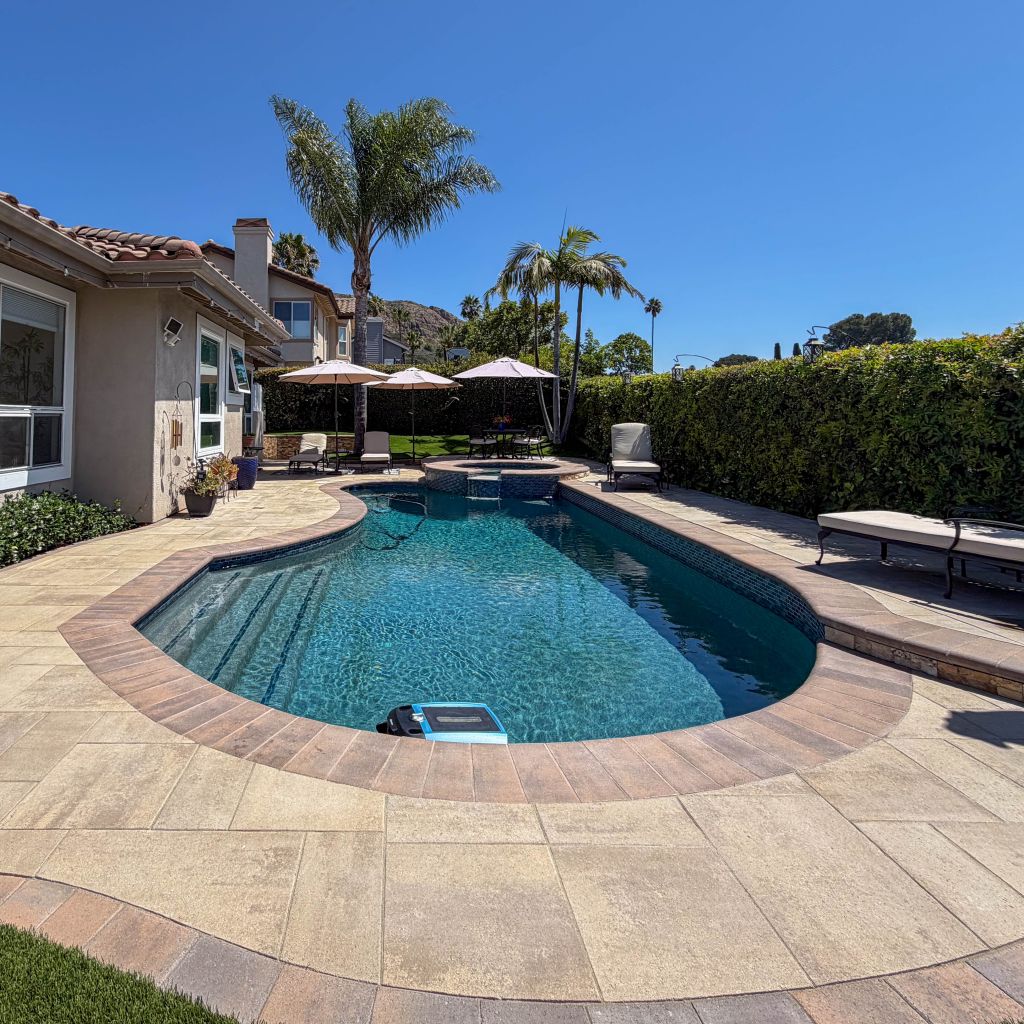
Before investing in a new filtration system, it helps to understand how the main filter types differ. Each option has specific advantages, maintenance needs, and installation considerations.
1. Cartridge Pool Filters
Cartridge filters use pleated filter elements to capture particles as pool water passes through the system. They are popular with homeowners who prefer a filtration option that does not require routine backwashing.
Furthermore, cartridge filters can be practical when water conservation is a priority because cleaning typically involves removing the cartridge and rinsing it according to the manufacturer’s instructions.
However, cartridges still require periodic cleaning and eventual replacement. If a cartridge becomes heavily clogged or damaged, water flow and filtration performance may decline.
A cartridge filter may be worth considering when you want a convenient maintenance routine and a system suited to your pool’s flow requirements.
2. Sand Pool Filters
Sand filters direct water through a specially selected filtration medium that captures particles. Over time, accumulated debris increases resistance to water flow, so the filter generally needs periodic backwashing according to the manufacturer’s guidance.
One advantage is that sand filtration is relatively straightforward to operate. In addition, many homeowners appreciate its familiar maintenance process.
Nevertheless, backwashing uses water, and the filter’s performance depends on correct sizing, proper operation, and maintenance. Therefore, homeowners should consider both the equipment’s capacity and its ongoing water-use requirements before choosing this option.
3. Diatomaceous Earth (DE) Pool Filters
Diatomaceous earth filters use a fine filtration medium to capture very small particles. Consequently, they can provide excellent water clarity when correctly installed and maintained.
However, DE systems typically require more involved maintenance than some other filter types. The filter grids or elements, filtration medium, cleaning procedure, and local requirements must all be considered.
Additionally, homeowners should follow the equipment manufacturer’s safety instructions when handling DE filtration materials. A professional can help determine whether this type of system is appropriate for your pool and maintenance preferences.
Pool Filter Comparison Table: Which Option Fits Your Needs?
The best filter depends on your priorities, available space, maintenance preferences, and existing pool equipment. The following table offers a practical starting point.
| Filter type | Main advantages | Maintenance considerations | Best suited for |
| Cartridge filter | Convenient cleaning and no routine backwashing | Cartridges need periodic rinsing and eventual replacement | Homeowners prioritizing straightforward maintenance |
| Sand filter | Familiar operation and a simple filtration process | Periodic backwashing and eventual media service or replacement | Pools where the owner prefers conventional filter maintenance |
| DE filter | Fine particle filtration and excellent potential water clarity | More involved cleaning and filtration-medium handling | Homeowners comfortable with a more detailed maintenance routine |
Important: Actual filtration performance varies with equipment design, sizing, condition, and operating practices. A qualified pool professional should confirm compatibility before recommending a specific model.
Signs Your Pool May Need a Filter Upgrade
An older filtration system does not always need immediate replacement. Nevertheless, certain warning signs suggest that an inspection may be worthwhile.
Persistent Cloudy Water
If your pool repeatedly becomes cloudy despite appropriate water chemistry and regular cleaning, the filter may not be capturing particles effectively. However, cloudy water can also result from poor circulation, algae, incorrect chemical balance, or other water-treatment issues.
Therefore, test the water and assess the entire circulation system before assuming that a new filter is the only solution.
Frequent Filter Cleaning
Some maintenance is normal. However, if your filter requires unusually frequent cleaning, becomes clogged quickly, or fails to maintain adequate flow, it may be undersized, worn, or exposed to an unusually high debris load.
An inspection can help identify whether cleaning, repairs, or a complete upgrade is the most practical option.
Unusual Pressure Readings
Changes in filter pressure can provide useful information about system performance. For example, rising pressure may indicate that a filter needs cleaning, while unexpectedly low pressure can point toward circulation or equipment issues.
Nevertheless, pressure readings must be interpreted according to the equipment’s specifications and operating conditions. Homeowners should avoid opening a pressurized filter until the system has been safely shut down and depressurized according to the manufacturer’s instructions.
Aging or Damaged Equipment
Cracked housings, leaking connections, damaged internal components, or recurring equipment failures can indicate that a filter needs professional attention.
Furthermore, if replacement parts are difficult to obtain or repair costs continue to increase, upgrading the system may be more practical than repeatedly repairing aging equipment.
Higher Maintenance Demands
If maintaining your pool has become more time-consuming, a different filtration setup may better match your routine. However, no filter is completely maintenance-free. Instead, the objective is to choose equipment with manageable cleaning requirements and suitable long-term operating costs.
Benefits of Professional Pool Filter Upgrade Services in Beverly Hills, CA
A properly planned filter upgrade can offer several practical benefits. Although results depend on the equipment and condition of the existing pool, the following advantages are worth considering.
1. Better Support for Water Clarity
An appropriately selected filter can help remove suspended particles and support clearer-looking water. Moreover, when the filter works correctly alongside balanced water chemistry and effective circulation, routine pool care can become more predictable.
However, filtration alone does not sanitize a pool. Appropriate disinfectant levels, water testing, and other recommended maintenance practices remain essential.
2. Improved Circulation Compatibility
A pool’s pump and filter must work together. If the filter is unsuitable for the system’s flow rate, the equipment may not perform as intended.
Therefore, an upgrade offers an opportunity to review pump output, filter capacity, plumbing restrictions, and manufacturer recommendations. Addressing compatibility can help the system operate within its intended specifications.
3. More Manageable Maintenance
Different filter types require different cleaning routines. Consequently, switching to a filtration system that better suits your habits may make pool ownership easier.
For example, a homeowner who wants to avoid routine backwashing may prefer a suitable cartridge filter. On the other hand, someone who is comfortable with backwashing may find a sand filter more appropriate.
4. A Chance to Address Existing Problems
A filter upgrade provides an opportunity to inspect other parts of the pool system. For instance, the assessment may reveal worn seals, leaking connections, poor circulation, or an equipment layout that makes maintenance difficult.
Although not every issue requires replacement, identifying these concerns can help homeowners make more informed decisions about repairs and improvements.
5. Better Alignment with Your Outdoor Living Goals
A pool is often an important feature of the overall backyard design. Therefore, equipment upgrades can be considered alongside improvements to the pool’s appearance, usability, and surrounding landscape.
When you are planning a broader renovation, coordinated decisions can help create an outdoor space that feels more cohesive and easier to maintain.
How Exodus Remodeling Can Help with Pool Improvement Planning
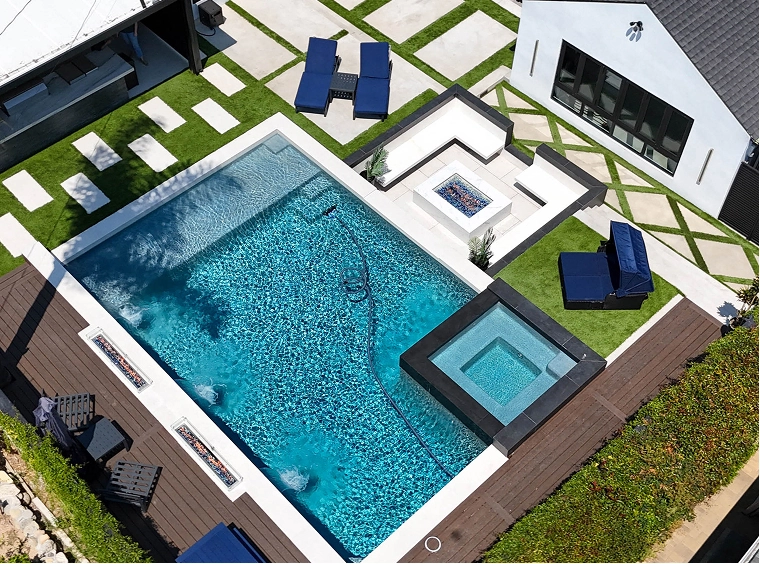
Selecting a pool filter is only one part of maintaining or renovating a swimming pool. Depending on the property and project goals, homeowners may also need to consider equipment access, pool finishes, surrounding hardscape, or other outdoor features.
Exodus Remodeling offers pool-related construction and remodeling services that can help homeowners explore broader improvement possibilities.
Review Your Existing Pool and Equipment
First, identify the problems you are experiencing. For example, you may notice persistent cloudiness, recurring pressure changes, visible leaks, or frequent maintenance demands.
Next, arrange an appropriate assessment to determine whether the filter itself is responsible or whether another part of the circulation system needs attention.
This step matters because replacing a filter without addressing the actual cause of poor performance may not resolve the problem.
Choose Equipment Based on Real Requirements
After the assessment, compare options based on pool volume, expected flow rate, installation space, maintenance preferences, and the manufacturer’s specifications.
In addition, discuss the ongoing costs of filter cleaning, replacement media or cartridges, water use, and related servicing. As a result, your decision can account for both initial investment and long-term practicality.
Consider Related Pool Remodeling Needs
If your swimming pool is already undergoing renovation, it may be useful to review other improvements at the same time.
For instance, damaged pool finishes, outdated features, or an inefficient equipment layout may also deserve attention. Nevertheless, the final scope should reflect your priorities and budget rather than automatically expand into a complete renovation.
Explore professional pool builder and pool contractor services to learn more about pool construction and improvement possibilities.
You can also review swimming pool construction and remodeling solutions when planning a larger project.
Combine Filtration Improvements with a Beautiful Pool Design
A well-maintained filtration system supports the practical side of pool ownership. At the same time, attractive design features can make your backyard more inviting and enjoyable.
Consequently, homeowners planning a broader pool upgrade may want to consider how equipment improvements fit into their overall outdoor renovation.
Residential Pool Improvements
If you are updating a home swimming pool, equipment selection should reflect the pool’s size, shape, use, and existing infrastructure.
Furthermore, any changes to plumbing, electrical components, or equipment placement should be evaluated for safety, compatibility, and applicable requirements.
Learn more about residential pool construction services if you are exploring improvements to your home’s swimming area.
Water Features, Landscaping, and Pavers
Poolside landscaping, paving, and water features can transform the appearance of an outdoor space. However, these elements should be planned with drainage, slip resistance, access to equipment, and routine maintenance in mind.
For example, landscaping that sheds excessive debris into the pool may increase cleaning demands. Similarly, pavers should be selected and installed with appropriate attention to the pool environment.
Explore poolside water features, landscaping, and paver solutions when considering a coordinated outdoor design.
Pool and Spa Integration
Some homeowners want their pool area to offer more than a place to swim. A spa can create another space for relaxation and may complement a carefully planned backyard layout.
However, a pool and spa can have different circulation, heating, and operational requirements. Therefore, equipment planning should account for the needs of both systems rather than assume one configuration will suit every installation.
Discover pool and spa installation options if you are considering a more comprehensive outdoor upgrade.
How to Prepare for a Pool Filter Upgrade Consultation
Before speaking with a pool contractor, gather a few details about your existing setup. Doing so can help make the conversation more productive.
Step 1: Identify your main concern. Note whether the problem involves cloudy water, low flow, recurring pressure changes, leaks, or difficult maintenance.
Step 2: Record your equipment information. If it is safe to do so, note the filter brand and model, approximate age, pump information, and any visible maintenance labels.
Step 3: Review recent maintenance. Make a list of recent cleaning, repairs, cartridge replacements, or other service visits.
Step 4: Explain your priorities. Decide whether your main goal is simpler maintenance, improved filtration, equipment replacement, or a larger pool renovation.
Step 5: Ask for a clear proposal. Request information about the recommended equipment, installation scope, compatibility, anticipated costs, and ongoing maintenance.
Step 6: Confirm the installation requirements. Before approving work, discuss any necessary permits, electrical considerations, equipment access, and manufacturer-specific requirements.
By preparing these details in advance, you can make a more informed decision and reduce the likelihood of choosing equipment that does not fit your pool’s needs.
Frequently Asked Questions About Pool Filter Upgrade Services in Beverly Hills, CA
1. How Do I Know If My Pool Filter Needs an Upgrade?
Persistent cloudy water, repeated filter problems, damaged components, or unusually demanding maintenance may indicate that an inspection is needed. However, these symptoms can have other causes. Therefore, assess water chemistry, circulation, and the filter’s condition before deciding on replacement.
2. Which Pool Filter Type Is Best for a Beverly Hills Home?
There is no single best filter for every pool. Cartridge, sand, and DE filters each have different performance characteristics and maintenance requirements. The right choice depends on pool size, circulation needs, available space, operating costs, and your preferred maintenance routine.
3. Will a New Filter Automatically Make My Pool Water Clearer?
Not necessarily. A suitable new filter can improve particle removal when the existing filter is inadequate or damaged. Nevertheless, clear water also depends on appropriate water chemistry, effective circulation, correct filtration operation, and proper pool maintenance.
4. How Often Should a Pool Filter Be Cleaned?
Cleaning frequency varies according to filter type, manufacturer recommendations, pool usage, debris levels, and system performance. Instead of following one universal schedule, monitor pressure readings and follow the instructions provided for your specific equipment.
5. Can I Upgrade My Pool Filter During a Pool Remodel?
Yes, a remodel can be a convenient time to evaluate filtration equipment, plumbing, and equipment access. However, the best timing depends on the project scope and the condition of the existing system. Coordinating the work in advance can help avoid unnecessary rework.
6. Does a Pool Filter Upgrade Reduce Maintenance Costs?
It may help make maintenance more manageable, depending on the new equipment and the problems with the existing system. However, cartridge replacements, cleaning, backwashing, and other operating costs vary. Compare the expected long-term expenses before choosing a system.
7. Can Landscaping Affect Pool Filter Performance?
Yes. Trees, plants, windblown debris, and nearby landscaping can increase the amount of material entering a pool. Therefore, thoughtful landscape planning and regular skimming can help reduce debris loads, although they do not eliminate the need for proper filtration and maintenance.
8. How Can I Contact Exodus Remodeling About Pool Improvements?
Visit the Exodus Remodeling contact page to discuss your project. Explain your current filtration concerns and whether you are considering a filter replacement alone or a broader pool remodeling project. You can then ask about service availability, project requirements, and appropriate next steps.
Upgrade Your Pool with Confidence and a Clear Plan
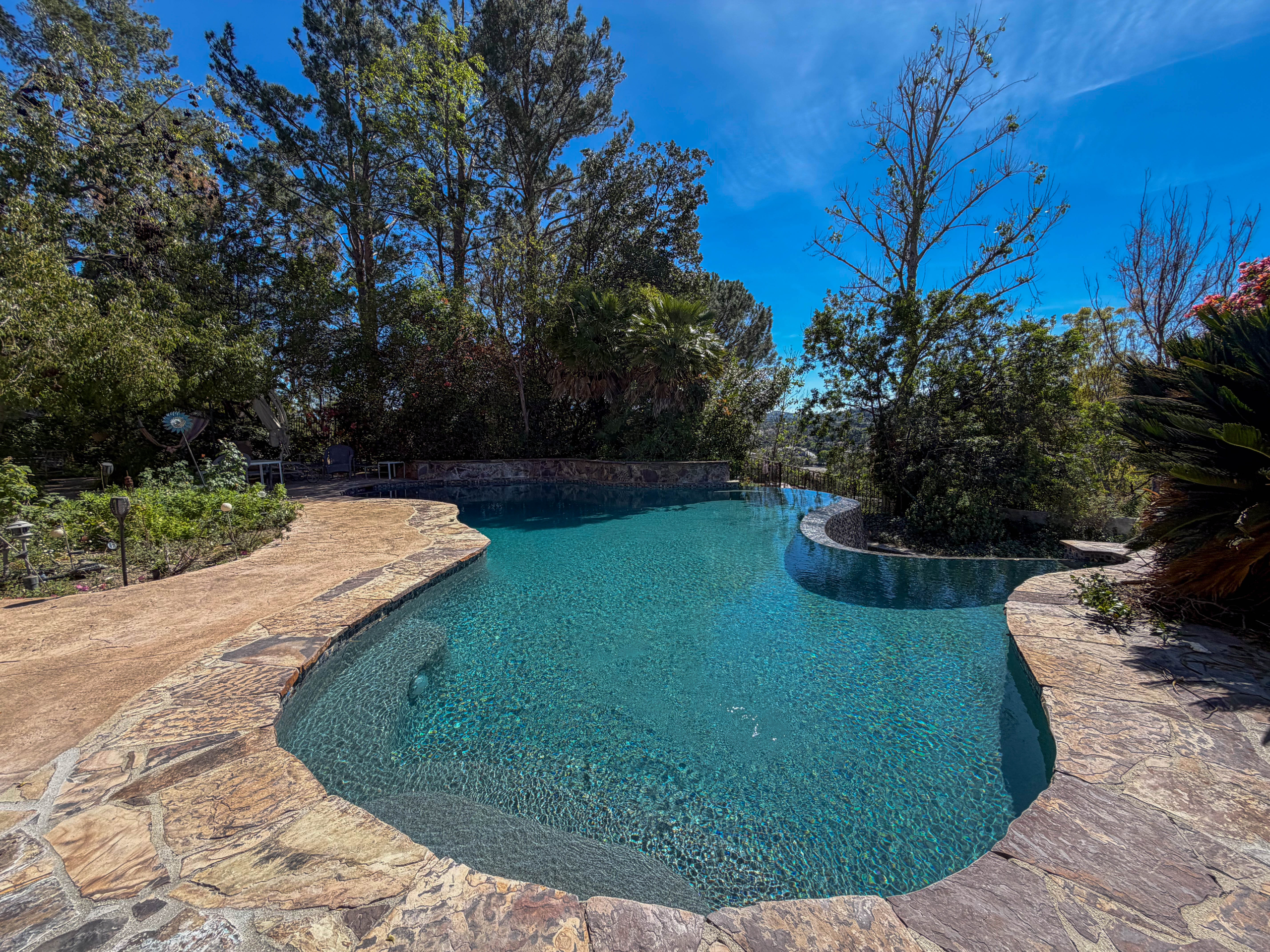
Your swimming pool should be a source of enjoyment, not a constant struggle with cloudy water, recurring equipment issues, or demanding maintenance. Fortunately, reviewing your filtration system can help you understand what is working, what needs attention, and which improvements may provide the greatest practical benefit.
With Pool Filter Upgrade Services in Beverly Hills, CA, homeowners can explore filtration options that align with their pool’s size, circulation requirements, maintenance preferences, and long-term goals.
Exodus Remodeling can be a starting point for discussing pool construction and remodeling possibilities, whether you are improving an existing swimming pool or planning a more extensive backyard transformation. By evaluating the current equipment, comparing suitable filter types, and coordinating related improvements carefully, you can make a more confident decision about your outdoor investment.
Most importantly, choose equipment based on your pool’s actual requirements rather than appearance or price alone. Proper sizing, compatible components, safe installation, balanced water chemistry, and consistent maintenance all contribute to dependable pool performance.
Ready to explore your pool improvement options? Contact Exodus Remodeling for pool construction and remodeling guidance and take the next step toward a cleaner, more enjoyable, and beautifully maintained swimming pool.
