

A custom swimming pool is one of the most valuable upgrades a homeowner can make. Beyond creating a beautiful backyard retreat, a well-designed pool provides a space for relaxation, entertainment, exercise, and increased property value.
One of the most common questions homeowners ask before starting a pool project is: how long does it take to build a swimming pool in Los Angeles?
In most cases, a custom swimming pool in Los Angeles takes about 8 to 16 weeks from construction start to completion. The exact timeline depends on the pool design, permit approvals, property conditions, custom features, material selection, and the contractor managing the project.
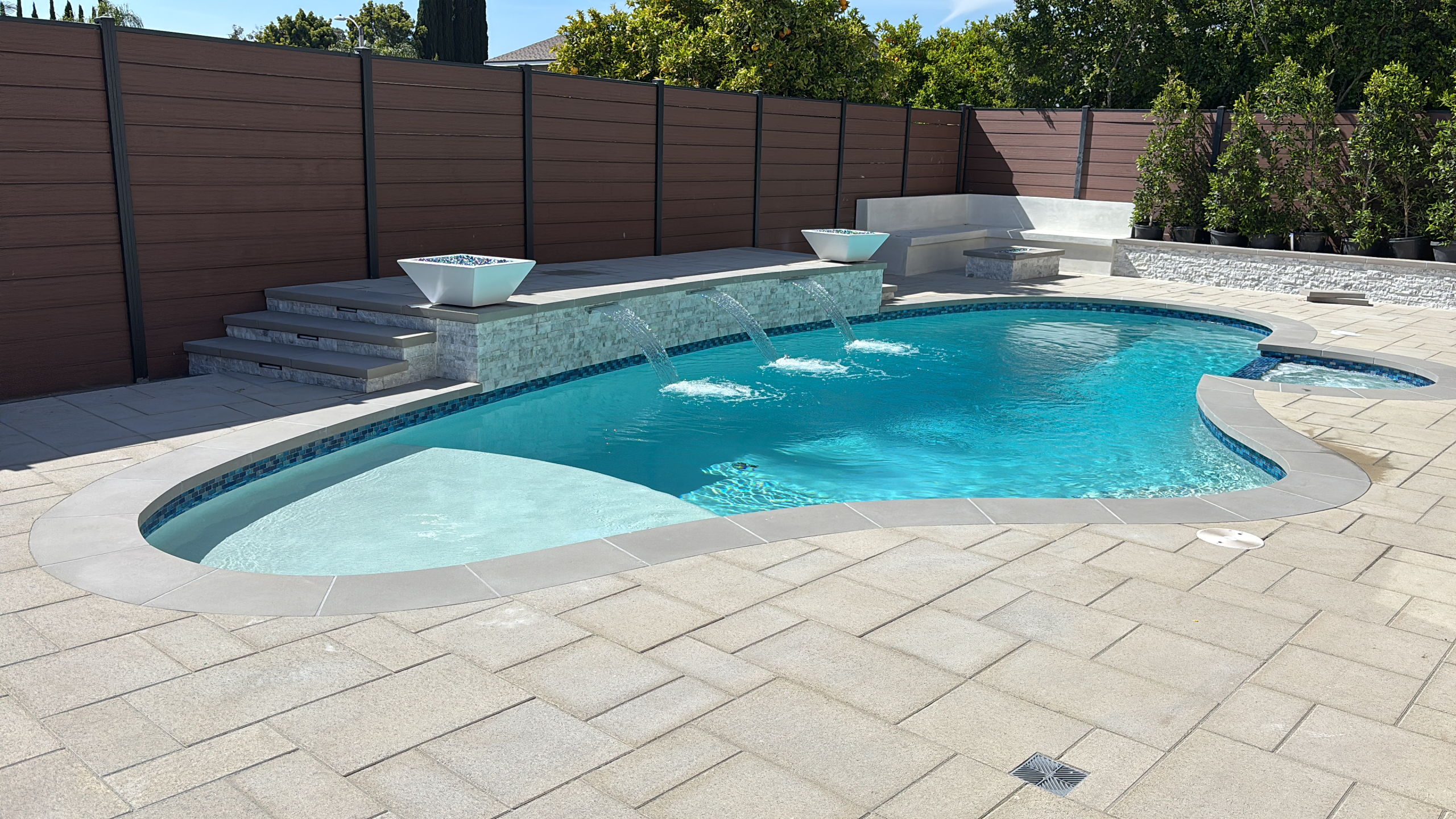
Pool Construction Timeline in Los Angeles
Every pool project is different, but most swimming pools follow a similar construction process. A simple geometric pool may move faster, while a luxury pool with a spa, waterfall, infinity edge, fire feature, outdoor kitchen, or landscaping may take longer.
Average Pool Construction Timeline
A typical swimming pool construction timeline may include:
- Design and planning: 2 to 4 weeks
- Permits and approvals: 2 to 8 weeks
- Excavation: 1 to 3 days
- Steel reinforcement: 3 to 7 days
- Plumbing and electrical: 3 to 7 days
- Gunite application and curing: 1 to 2 weeks
- Tile and interior finishes: 1 to 2 weeks
- Decking and outdoor features: 1 to 3 weeks
- Final inspection and startup: 1 to 7 days
For most homeowners, the full process takes around 8 to 16 weeks. Larger custom pools or complete backyard remodeling projects may require additional time.
What Affects the Timeline?
Several factors can affect how quickly a pool can be completed. Design complexity is one of the biggest factors. A basic pool with standard features is usually faster to build than a luxury pool with custom details.
Features that may increase construction time include spas, waterfalls, Baja shelves, swim-up bars, smart automation systems, outdoor kitchens, fire features, and infinity edges.
Property conditions can also impact the schedule. Hillside lots, rocky soil, limited equipment access, retaining walls, drainage issues, and existing structures may add extra time to the project.
If you are planning a full backyard upgrade, working with an experienced team for swimming pool construction and remodeling can help keep the project organized from start to finish.

Design and Planning
The first step is design and planning. During this phase, the homeowner and contractor decide the pool size, shape, layout, materials, budget, safety features, and outdoor living details.
Many professional pool builders also provide 3D renderings so homeowners can preview the final design before construction begins. This stage usually takes 2 to 4 weeks, depending on project complexity and revisions.
Permits and Approvals
Before construction begins, the project must be approved by the local building department. Permit packages may include site plans, structural drawings, plumbing layouts, electrical plans, engineering details, and safety barrier information.
Permit approval in Los Angeles and nearby cities can take 2 to 8 weeks or more. Projects in hillside areas, HOA communities, or cities with stricter review processes may take longer.
This is one reason why choosing an experienced swimming pool contractor in Los Angeles is important. A knowledgeable contractor understands local requirements and can help reduce unnecessary delays.
Excavation, Steel, Plumbing, and Electrical
Once permits are approved, construction can officially begin. Excavation is usually the first major step. Crews mark the layout, prepare access routes, remove soil, and shape the pool according to the approved design.
After excavation, steel reinforcement is installed to create the structural framework of the pool. Plumbing and electrical systems are then added for circulation, filtration, heating, lighting, automation, and water features.
These stages are very important because they affect the long-term performance, safety, and durability of the pool.
Gunite, Tile, Coping, and Finishes
Gunite is commonly used to create the permanent shell of custom swimming pools. It is applied over the steel framework and then allowed to cure properly. This curing period usually takes 7 to 14 days.
After the structure is ready, the pool begins to take its final appearance with tile, coping, interior finishes, and decking. Popular finish options include plaster, quartz, and pebble. Common coping materials include natural stone, travertine, porcelain, and concrete.
Decking and Outdoor Living Features
A swimming pool is often only one part of the backyard. Many Los Angeles homeowners also add patios, pavers, outdoor kitchens, fire pits, pergolas, lighting, landscaping, and entertainment areas.
These features can make the backyard more beautiful and functional, but they may also extend the overall timeline depending on the size of the project.
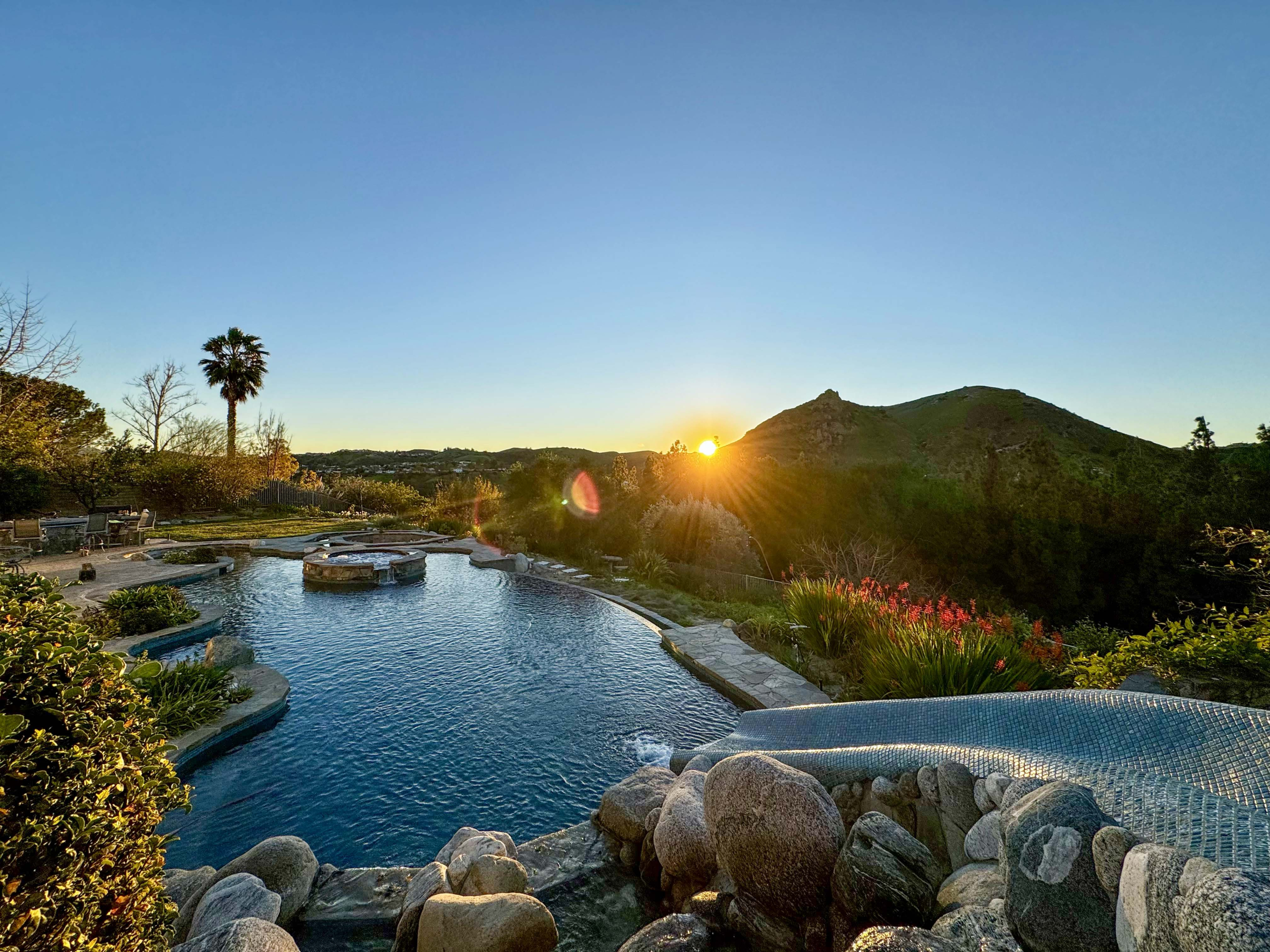
Final Inspection and Pool Startup
Before the pool is ready to use, final inspections must be completed. Inspectors may check safety barriers, electrical systems, plumbing systems, equipment operation, and code compliance.
After approval, the pool is filled, equipment is activated, water chemistry is balanced, and automation systems are tested. A professional contractor should also show the homeowner how to operate and maintain the pool.
Common Reasons for Delays
Even with good planning, delays can happen. Common causes include permit delays, design changes, material shortages, heavy rain, difficult access, rocky soil, and unexpected site conditions.
The best way to reduce delays is to finalize design decisions early, choose materials ahead of time, and work with a reliable contractor. Before hiring, it also helps to read this guide on how to choose the right pool builder in Los Angeles.
Final Thoughts
So, how long does it take to build a swimming pool in Los Angeles? For most homeowners, the answer is about 8 to 16 weeks. Smaller and simpler pools may move faster, while luxury pools with custom features may take longer.
A custom swimming pool is more than a backyard feature. It becomes a place where family gathers, friends connect, and memories are created for years to come.
By understanding the timeline and choosing the right pool builder, homeowners can enjoy a smoother process from design to construction and finally to the first swim.
Frequently Asked Questions
Start by verifying the contractor’s license, insurance, experience, and customer reviews. Review their portfolio, ask for references, compare detailed proposals, and choose a builder who communicates clearly throughout the process.
The cost varies depending on pool size, design complexity, materials, and custom features. Most custom pool projects in Los Angeles range from $60,000 to $200,000 or more.
Most custom swimming pool projects take between 8 and 16 weeks to complete after permits are approved. Luxury pools with custom features may require additional time.
Not necessarily. The lowest bid may use lower-quality materials or exclude important features. It’s better to compare overall value, including workmanship, materials, warranties, and experience.
A reputable pool builder should have an active California Contractor License, general liability insurance, workers’ compensation coverage, and any required local permits and certifications.
Yes. Many professional pool builders offer complete outdoor living solutions, including spas, outdoor kitchens, fire features, pergolas, patios, landscaping, and lighting.
Ask about their experience, completed projects, references, warranties, project timelines, permit requirements, payment schedules, and how they handle change orders during construction.
A professionally designed swimming pool can increase property value and improve a home’s appeal, especially in Southern California, where outdoor living spaces are highly desirable.
Red flags include lack of licensing, poor online reviews, requests for large upfront payments, vague contracts, unrealistic promises, and unwillingness to provide references.
Pool construction can take several months. A builder who provides regular updates, answers questions promptly, and maintains transparent communication can help prevent misunderstandings and keep the project on schedule.
